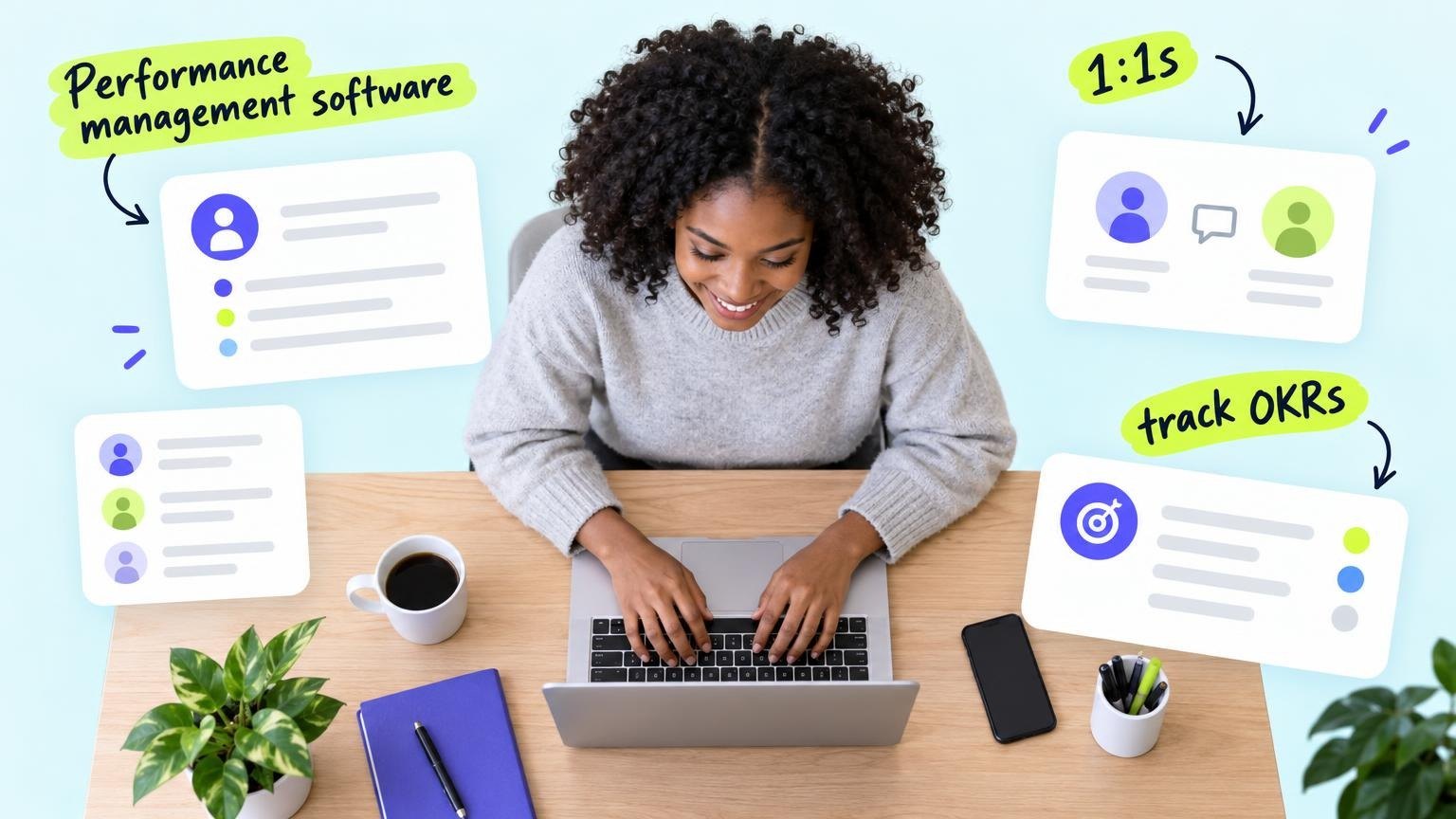
Remote teams cannot rely on hallway check-ins to spot burnout or stalled work. Performance management software gives distributed managers one place to run 1:1s, track OKRs, hold reviews, and measure employee engagement across time zones.
Pricing is where buyers get surprised. Many tools advertise a low monthly rate while enforcing annual contract minimums or locking surveys into top tiers. This guide compares nine established platforms by what each does, who it fits, its main limit, and its published price.
Quick comparison of remote performance software
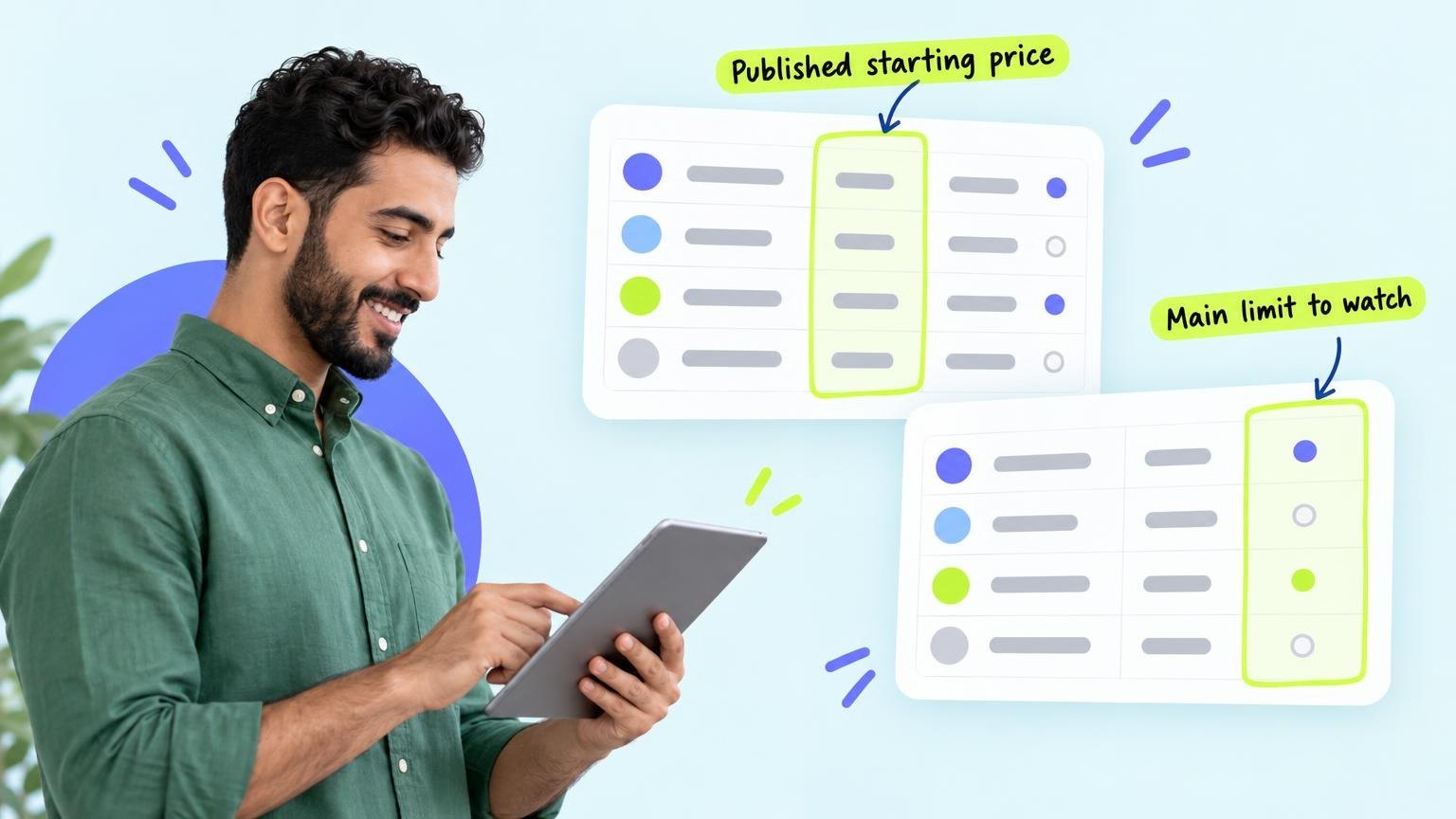
| Tool | Best for | Published starting price | Main limit to watch |
|---|---|---|---|
| ThriveSparrow | Modular surveys, 360 reviews, OKRs, kudos | $2 to $9/employee/mo (annual) | No built-in core HRIS or payroll module |
| Lattice | Formal reviews and OKRs (50 to 500+ staff) | $4 to $13/seat/mo (annual) | $4,000 annual minimum; add-ons stack fast |
| 15Five | Weekly manager check-ins and coaching | $4 to $16/user/mo (annual) | Needs steady weekly manager habits |
| Culture Amp | Research-backed engagement surveys at scale | Custom quote only | No public pricing or self-serve trial |
| Leapsome | Unified HRIS, reviews, OKRs, and learning | $4 to $7/module/mo | Stacking multiple modules raises bills fast |
| Workleap (Officevibe) | Lightweight Slack and Teams pulse routines | $4,999/yr + $32/manager/mo | Base annual fee raises cost for tiny teams |
| Betterworks | Enterprise OKR alignment and calibration | $8 to $9/user/mo; custom Enterprise | Engagement surveys sit in Enterprise tier |
| Small Improvements | Lean 360 reviews for remote tech teams | $3 to $9/user/mo (annual) | $3,000 minimum; Slack needs Grow tier |
| Engagedly | Reviews, gamified praise, and mentoring | $5 to $8/user/mo + suites | $7,500 annual minimum across suites |
1. ThriveSparrow
ThriveSparrow uses modular pricing so remote HR teams can combine engagement and performance without enterprise bundles. Engage runs automated eNPS, onboarding, exit, and pulse surveys across 100+ languages, with SMS and QR-code delivery for distributed or non-desk staff.
Kudos adds peer recognition cards and automated rewards across 800+ gift cards. Performance covers 360-degree reviews, calibration, box grids, and AI-powered Personal Development Plans, while Goals adds cascading OKRs and Jira integration. Every plan includes One-on-Ones and continuous anytime feedback at no extra charge.
- Best for: Growing remote or global teams seeking surveys, peer recognition, 360 reviews, and OKRs in one modular platform without enterprise pricing.
- Honest limit: ThriveSparrow focuses on engagement, recognition, goals, and performance rather than core HRIS, payroll, or compensation management. Teams still pair it with a separate HR system, and paid plans bill annually.
- Pricing: Billed annually per employee: Kudos is $2, Engage is $3 ($4 bundled with Kudos), and Goals is $3. Performance is $5 ($7 bundled with Goals), and Full Platform with all AI tools is $9 (down from $13 list). New teams can test it with a 14-day free trial.
2. Lattice
Lattice ties performance cycles, cascading OKRs, and employee engagement together in one workspace. Every base product includes 1:1 agendas, weekly updates, continuous feedback, and Q&A boards, plus analytics and an HR AI assistant.
Remote companies can buy single modules or bundle Performance and Goals & OKRs inside Foundations. Because review notes and weekly updates share one profile, distributed managers prepare for calibration without digging through scattered documents.
- Best for: Mid-sized remote companies of 50 to 500+ people running structured review cycles alongside cascading team OKRs.
- Honest limit: Lattice requires a $4,000 minimum annual contract billed in USD. Stacking Engagement, Grow, or Compensation raises the per-seat cost quickly for smaller distributed teams.
- Pricing: Base modules start at $4 (Engagement), $8 (Goals & OKRs), or $10 (Performance) per seat monthly. Foundations is $13, Grow adds $4, and Compensation adds $6. Enterprise is custom; all contracts bill annually with no extra performance setup fee.
3. 15Five
15Five centers its workflow on a steady weekly manager rhythm. Its Perform tier combines weekly Check-ins, shared 1:1 notes, and High Fives peer praise with weighted OKRs, 360-degree reviews, calibration, and a 9-box talent matrix.
Distributed teams also get Slack and SMS alerts, a mobile app, and integrations with Jira and Salesforce. Total Platform adds engagement surveys, eNPS, the HR Outcomes Dashboard, manager microlearnings, and the AMAYA AI assistant.
- Best for: Remote organizations looking to strengthen middle managers through weekly written updates, shared 1:1 notes, and manager coaching prompts.
- Honest limit: Weekly check-ins stall if team leads stop reading and replying. Manager coaching content ($49/manager/month) and Compensation ($9/user/month) cost extra on top of core plans.
- Pricing: Billed annually at $4 (Engage), $11 (Perform), or $16 (Total Platform) per user monthly. Optional AI add-ons include Kona Notetaker at $2 per employee and Kona Coach at $19 per manager monthly.
4. Culture Amp
Culture Amp divides its platform into Engage and Perform, grounded in organizational psychology research and industry benchmarks. Engage covers pulse, onboarding, offboarding, and annual engagement surveys paired with guided action plans.
Perform covers performance reviews, calibration, continuous feedback, 1:1s, goals, shoutouts, and employee development plans. Its built-in AI Coach helps remote managers write clearer review summaries and prepare for tougher conversations across time zones.
- Best for: Mid-sized and larger distributed companies, especially above 200 employees where one-on-one Customer Success and implementation project management apply.
- Honest limit: Culture Amp publishes no public per-seat pricing and offers no self-serve checkout. Smaller remote teams often find its survey depth heavier than needed for quick quarterly pulses.
- Pricing: Custom quote only on annual contracts, calculated by employee headcount and chosen modules.
5. Leapsome
Leapsome combines a core HR foundation with modular Talent Suite add-ons. The base HR layer covers employee profiles, org charts, absence tracking, document management, meetings, and instant feedback.
Remote teams can layer on Performance Reviews, Goals & OKRs, Engagement Surveys, Learning (a built-in LMS), Compensation, Recruiting, and Time Tracking. Because everything shares one employee record, HR leads connect review outcomes straight to learning paths. Leapsome lists matching rates in USD, EUR, and GBP with no setup fees.
- Best for: Scaling US or European remote companies that want performance reviews, OKRs, engagement, and learning tied to one employee directory.
- Honest limit: Combining the HRIS foundation ($7/employee/month regular, or $10 for Pro) with Reviews, Engagement, and OKRs raises bills quickly. Rolling out too many modules at once also slows manager adoption.
- Pricing: Monthly rates per employee: Performance Reviews $7, Goals & OKRs $4, Engagement Surveys $4, and Learning $4. Recruiting adds $5, while Compensation and Time Tracking each add $3. The HRIS Foundation lists at $7, or $0 alongside a Talent Suite module through December 31, 2026. HRIS Pro lists at $10.
6. Workleap (Officevibe)
Workleap folds Officevibe’s automated pulse surveys, anonymous feedback threads, and Good Vibes peer recognition into a broader people platform. It pairs team health tracking with 360 performance reviews, goals and OKRs, org charts, 1:1 meetings, and the Workleap AI assistant.
For remote squads, its main strength is meeting people inside daily chat apps. Notifications run across Slack, Microsoft Teams, email, and SMS, and user provisioning syncs from HRIS platforms, Slack, Google, or Microsoft 365.
- Best for: Remote companies under 250 employees that want fast pulse surveys, anonymous Q&A, and lightweight manager routines inside Slack or Teams.
- Honest limit: Workleap moved from low per-seat Officevibe plans to an annual base fee plus a per-manager charge. That raises entry cost for tiny startups, and SAML SSO, API access, and custom segments sit on the Pro tier.
- Pricing: Billed annually. Standard starts at $4,999/year plus $32 per manager/month. Pro starts at $11,999/year plus $32 per manager/month, and Enterprise (250+ employees) is custom.
7. Betterworks
Betterworks builds continuous performance management for multi-layered organizations. Its Performance tier focuses on cascading Goals & OKRs, manager check-ins with automated summaries and follow-ups, review cycles, continuous feedback, and SSO.
Performance + Talent Intelligence adds anytime calibration, succession planning, skills intelligence, and Unified Talent Profiles. Employee sentiment surveys (Betterworks Engage) and dedicated transformation support are packaged inside its Enterprise tier.
- Best for: Mid-market and global enterprise remote companies needing strict OKR alignment, formal calibration, and dedicated deployment support across departments.
- Honest limit: Betterworks Engage surveys and full change-management services sit in custom Enterprise contracts rather than the entry $8 tier. Pricing also shifts with deployment scope, making it heavy for small startups.
- Pricing: Performance starts at $8 per user monthly, and Performance + Talent Intelligence starts at $9 per user monthly. Enterprise is priced by custom quote.
8. Small Improvements
Small Improvements keeps performance reviews and peer feedback lean. Its core workspace covers structured review cycles, 360-degree feedback, anytime peer notes, 1:1 agendas, praise, objectives, and pulse surveys. Teams get those core workflows without adopting an enterprise HR suite.
It connects with Slack, Google Sign-in, BambooHR, and Workday, matching the stack many distributed tech teams already run. A 30-day free trial gives HR leads room to test a full pulse or review workflow before signing.
- Best for: Distributed product and tech teams (often 40 to 250 staff) that want clean 360 reviews and 1:1 tracking with minimal admin overhead.
- Honest limit: Every tier carries a $3,000/year minimum, so a 25-person team on Launch effectively pays $10 per user monthly. Remote essentials like 360 feedback, 1:1s, pulse surveys, and Slack integration require the $6 Grow plan.
- Pricing: Billed annually with a $3,000/year minimum: Launch is $3 and Grow is $6 per user monthly. The top tier (all features, integrations, and advanced analytics) is $9 per user monthly, with a 30-day free trial.
9. Engagedly
Engagedly unites performance, engagement, and talent development inside one modular suite. Its Performance Suite covers customizable review templates, 30-60-90 day reviews, 360 feedback, Goals & OKRs, and competency and skill libraries. Its Marissa AI assistant helps managers draft feedback and summarize survey or review reports.
Teams can add Engage & Listen for engagement and team pulse surveys, plus Recognize & Reward for gamified praise and a Tango gift card storefront. Learning, Talent Mobility, and Mentoring are also available as separate suites.
- Best for: Mid-sized distributed companies wanting structured reviews, competency mapping, gamified recognition, and mentoring from one vendor.
- Honest limit: Engagedly enforces a $7,500/year minimum, pricing out smaller remote teams. Buying performance, surveys, recognition, and learning as separate suites also adds license cost and setup work.
- Pricing: Billed annually per user monthly with a $7,500/year minimum. Performance Suite is $5 to $8, Engage & Listen is $2, Recognize & Reward is $2, and Talent Mobility is $2. Learning is $3 to $5, and Mentoring is $8.
What remote performance management software needs
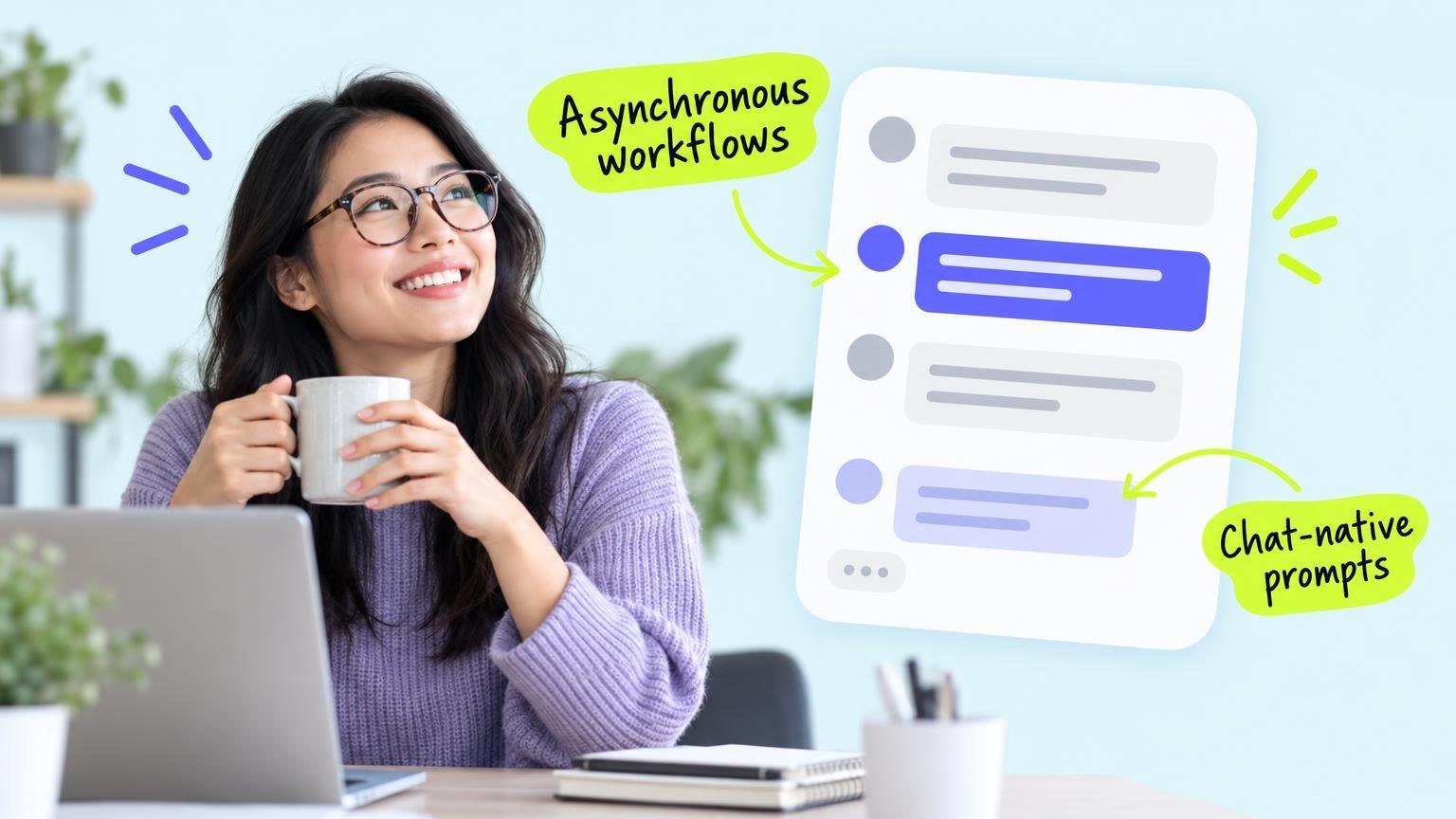
Office-first HR tools break down when teammates span four time zones. Before booking demos, verify five capabilities built for distributed work:
- Asynchronous workflows. Check-ins, 1:1 agendas, and peer feedback must work without live meetings so every region contributes on its own schedule.
- Chat-native prompts. Survey and feedback nudges inside Slack or Microsoft Teams earn higher participation than email-only links.
- Clear anonymity rules. Remote squads often have three to five members. Confirm how many answers trigger anonymous reporting so teammates trust pulse surveys.
- Visible goal alignment. Cascading OKRs and shared progress updates replace informal office status talk and prevent duplicated work.
- Transparent annual totals. Check yearly minimums ($3,000 to $7,500+) and per-manager charges alongside the headline per-seat price before comparing quotes.
How to choose performance software for remote teams

Match the platform to your headcount and main bottleneck rather than buying the longest feature checklist.
- Under 50 remote employees: Watch out for $4,000+ annual minimums. Modular options like ThriveSparrow or Small Improvements (Grow tier) keep spend predictable while covering 1:1s, pulses, and reviews.
- 50 to 250 employees scaling fast: Pick ThriveSparrow to keep surveys, recognition, reviews, and OKRs in one modular plan. 15Five suits weekly manager check-ins and coaching, and Lattice suits formal calibration and OKRs. Choose Leapsome when you also want an HRIS and LMS, or Workleap when Slack pulse habits come first.
- 250+ employees across regions: Culture Amp fits teams needing deep survey benchmarks and research-backed action plans. Betterworks and Engagedly suit larger organizations centered on enterprise OKRs, skills tracking, and formal calibration.
Quick tip: Run a two-week pilot with one distributed department during a trial or sandbox walkthrough. Check whether managers open 1:1 agendas and reply to survey comments on their own, since adoption beats feature depth.
Frequently asked questions

Should remote teams buy one tool for performance and engagement?
Combining both works well once a remote company passes 30 to 40 people. Managers get one workspace for 1:1s, goals, and pulse trends, and staff avoid juggling separate logins. Smaller teams can still start with one module and expand later.
Why do advertised per-seat prices differ from real quotes?
Many HR vendors publish annual per-user rates while enforcing minimum yearly contracts. Small Improvements starts at $3,000, Lattice at $4,000, and Engagedly at $7,500 a year. Others charge a yearly base fee, such as Workleap at $4,999/year. Always total your 12-month cost for your exact headcount and add-ons.
How often should distributed teams run pulse surveys?
Monthly or quarterly pulses fit most remote organizations. Weekly surveys trigger fatigue fast unless leaders share concrete changes after every round. Match your survey cadence to how quickly managers can act on the answers.
How do you keep remote performance reviews fair across time zones?
Rely on structured rubrics, written check-in notes, and 360-degree peer feedback instead of manager recall. Written goal tracking and calibration tools curb visibility bias toward teammates who overlap with a manager’s working hours.
Next steps
The right remote performance management software is the tool your managers open every week without reminders. A focused platform with steady 1:1 notes and regular pulse follow-ups outperforms an enterprise suite left idle between annual reviews.
Shortlist two or three platforms from the table above that match your headcount and yearly budget. Test them inside your actual Slack or Teams workflow, then commit to the one your team leads adopt fastest.
Published: November 26, 2026