If you’ve built a SaaS product, giving it away for free can be a fast way to get people using it. But is that approach sustainable?
Or you can ask customers to pay from day one. That gets revenue flowing in sooner, but it also puts a barrier between your product and people who want to try it first.
But the choice isn’t just about pricing alone. Market data suggests that the global SaaS market will likely hit $1.4 trillion by 2034. This also means competition, and your choice of whether to offer your SaaS as freemium or paid will determine how your business does in the marketplace.
This choice will impact how you acquire customers, your product adoption rates, your revenue, and even how you handle billing down the line. This is why you must get your business model right.
What Is a Freemium SaaS Model?
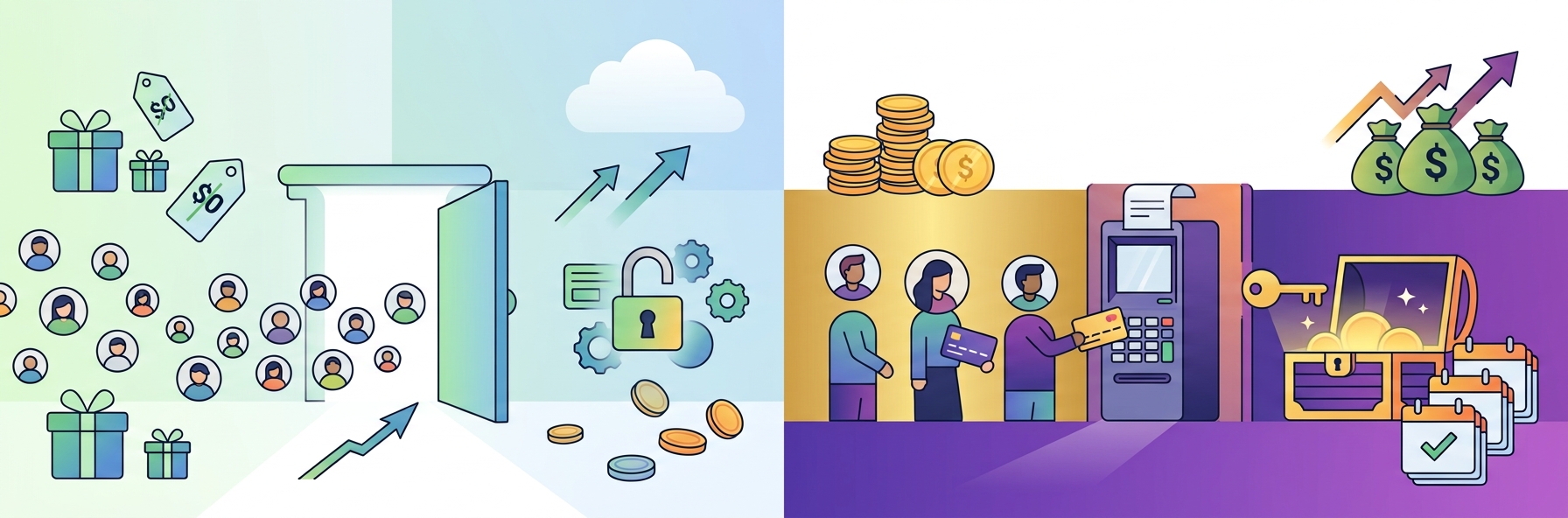
A freemium SaaS model offers a basic version of your software to users completely free of charge. The catch is that the advanced features are usually behind a paywall, and people will need to pay to access them.
To put it simply, your free users are your main acquisition channel, and you’re betting that a small percentage of them will eventually need more features and upgrades.
The problem, however, is that freemium conversion rates can be rather low. In fact, a 2026 case study published in American Impact Review notes that most companies using freemium only achieve a free-to-paid conversion rate of between 2% and 5%. That means you’ll need a substantial user base to make the model work.
What Is a Paid SaaS Model?
With paid SaaS, customers pay before they get full access. The idea here is that you charge an upfront fee for your product monthly, annually, per user, or based on how the software is used.
This approach brings in predictable revenue from day one, and more importantly, you’re not carrying a large base of free users who cost money but bring in nothing. But there’s a tradeoff: friction. It might be difficult to ask someone to pay for a digital product they’ve never used before.
How do they know it actually solves their problem? This friction can slow down adoption. That’s why most paid SaaS companies offer a free trial as a middle ground. They give full access to their product for a limited period, so people can see how it works.
The goal, as PayPro Global puts it, is to let prospective buyers see the value of a product before making a purchase.
Freemium vs. Paid SaaS: Model Consideration
The table below breaks down what either approach typically looks like.
| Consideration | Freemium | Paid SaaS |
|---|---|---|
| User Acquisition | Lower barrier to entry | Low user acquisition because of the paywall |
| Initial Revenue | Really poor revenue until users decide to upgrade | Higher revenue from the start, especially if you allow users to trial your product |
| Product Adoption | High overall user numbers | Highly qualified, active buyers |
| Support Costs | Support costs are high because you host a large number of mostly free users | Support costs are low because you host mainly paying users |
| Best For | Mass market products | High-value, niche, or specialized software |
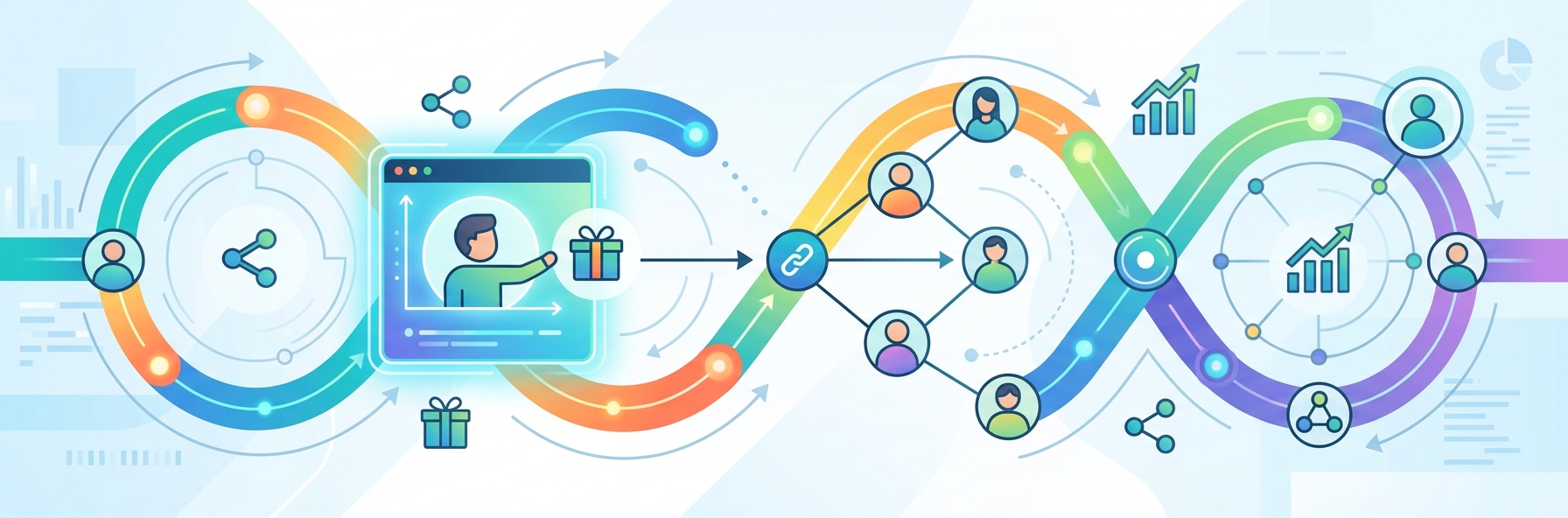
As you can see, both options have clear advantages. A smart way to offset the revenue challenge of a freemium model is to turn your users into a growth engine. Offer them a genuine incentive to bring in their network.
Later, a social media scheduling platform uses this same strategy. An existing user brings someone into the product and gets $20 back after the referral joins. This money is then used towards a subscription or upgrade.
But here’s the thing: whether you go freemium or paid, you’ll need a solid system to handle the money. You’ll be collecting payments, managing subscriptions, recovering failed charges, and dealing with taxes across different countries.
The good news is that there are lots of platforms that can help you handle this. The key is to choose the right one. Your role is to focus on building your products, not becoming a compliance expert.
How to Decide Which Model Fits Your SaaS
We’ve seen how the two models stack up, but the real question is which one fits your software. Use these considerations as a quick framework:
| Choose Freemium (IF) | Choose Paid SaaS (IF) |
|---|---|
| Your free product is worth sharing | Your software solves an expensive problem |
| Serving free users costs next to nothing | Your customers need hand-holding |
| Your premium features sell themselves | Your market is small but high-value |
| You’re targeting a massive user base and can absorb low conversion | Each customer brings big lifetime value |
| Your product benefits from team adoption like Slack or Dropbox | Free users would cost you more than they’re worth |
If neither option feels quite right, consider a free trial. You give users a taste without committing to a forever-free tier. This approach may also be able to improve paid-to-free conversion, which, according to SaaS growth advisor Kyle Poyar, "remains one of the highest-leverage ways to grow revenue."
Even better, blend approaches. Start with a free trial to get early adopters, then introduce a freemium tier to fuel growth, and much later, add an enterprise plan with custom pricing.
A lot of SaaS providers already do this. In fact, roughly 85% of SaaS providers use some form of hybrid pricing, according to G2 Research Hub. The message here is that your pricing model can evolve as your product and customer base do.
FAQs
Can I offer both freemium and paid tiers at the same time?
Absolutely. In fact, quite a number of SaaS providers offer a free tier to get people in the door and paid tiers for users who need more. Just make sure your free version has enough to leave users wanting something more.
How long should my free trial be?
While there’s no one-size-fits-all duration, between 14 and 30 days makes sense. You want to give users enough time to experience your product’s "aha!" moment, but not so long that they forget to come back.
What happens to my pricing model as my business grows?
The truth is that it will most likely change. You might start with a monthly subscription system and move to usage-based pricing as you learn what customers actually value. The trick is to stay flexible and watch your data.
Final Takeaway
As you can see, it’s neither this nor that when it comes to choosing a SaaS software pricing model. The best option is the one that fits how customers discover, use, and value your software. So, don’t treat this as a one-time decision, and most importantly, always be ready to adapt.
Published: September 27, 2026