The Rising Importance of Secure Collaboration
In today’s interconnected business environment, online collaboration platforms have become essential tools for teams to communicate, share files, and manage projects efficiently. From multinational corporations to small startups, these platforms enable seamless cooperation regardless of geographical boundaries. However, as organizations increasingly rely on these digital workspaces, the risk of cyber threats targeting collaboration platforms also grows exponentially. Cybercriminals exploit vulnerabilities in these systems to gain unauthorized access, steal sensitive information, or disrupt business operations, potentially causing significant financial and reputational damage.
According to a report by Cybersecurity Ventures, global cybercrime costs are projected to reach $10.5 trillion annually by 2025, up from $3 trillion in 2015, underscoring the critical need for robust security measures in all digital interactions. Moreover, a recent study by IBM found that the average cost of a data breach in 2023 was $4.45 million, with compromised credentials and phishing attacks being among the most common causes. For businesses leveraging online collaboration tools, adopting stringent cybersecurity practices is no longer optional but imperative to protect data integrity, ensure regulatory compliance, and maintain trust with clients and partners.
Online collaboration platforms often serve as repositories of highly sensitive corporate data, including intellectual property, financial records, employee information, and confidential communications. A breach in these systems can have cascading consequences, affecting not only the immediate organization but also its ecosystem of partners and customers. Recognizing this, organizations must prioritize cybersecurity strategies tailored specifically for collaboration environments.
Understanding the Cybersecurity Landscape in Collaboration Platforms
Online collaboration platforms integrate multiple functionalities-chat, video conferencing, file sharing, and project management-making them attractive targets for cyberattacks. Threat actors employ sophisticated methods such as phishing, ransomware, man-in-the-middle attacks, and insider threats to exploit these platforms’ vulnerabilities. For instance, phishing emails designed to mimic collaboration tool notifications can trick users into revealing credentials or downloading malware.
As a result, companies must stay informed about the latest cybersecurity trends and implement proactive defenses. An effective strategy begins with awareness. Organizations need to educate employees about the risks and best practices involved in using collaboration tools securely. This includes recognizing phishing attempts, using strong authentication methods, and managing access controls diligently.
For comprehensive guidance, businesses can refer to the cybersecurity topic covered, which offers valuable insights on protecting small and medium-sized enterprises from cyber threats. This resource provides actionable advice tailored to the challenges faced by organizations of various sizes and industries, helping them build resilient cybersecurity postures.
According to a recent survey by Cybersecurity Insiders, 68% of organizations experienced at least one security incident related to collaboration platforms in the past year, highlighting the urgency of adopting effective protections. These incidents ranged from unauthorized access to data leakage, emphasizing that no organization is immune to threats targeting collaboration tools.
Implementing Secure Access Controls
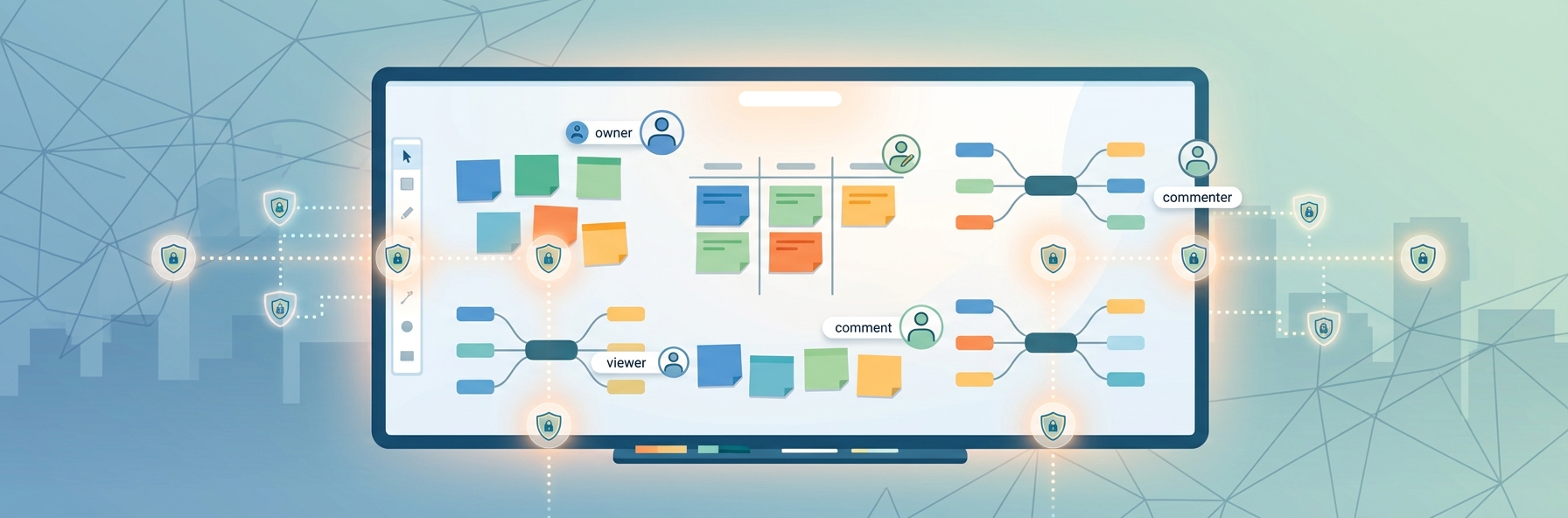
One of the foundational cybersecurity practices for safer online collaboration is controlling user access. Limiting platform access to authorized personnel minimizes exposure to potential breaches. Multi-factor authentication (MFA) should be enforced to add an extra layer of security beyond just passwords. MFA requires users to verify their identity through multiple means-such as a password plus a one-time code sent to a mobile device-making it significantly harder for attackers to gain unauthorized entry.
Furthermore, organizations should adopt the principle of least privilege, granting users only the minimum access necessary to perform their tasks. This limits the potential damage caused by compromised accounts or insider threats. Regular audits of access rights help ensure that former employees or contractors do not retain access inadvertently, which remains a common security gap.
Deploying such controls effectively often requires a tailored approach. Businesses can explore models such as the iTi Communications’ deployment model, which offer managed IT services designed to implement secure and scalable access frameworks. These services help organizations enforce policies consistently, monitor access patterns, and respond to anomalies swiftly.
Moreover, integrating identity and access management (IAM) solutions with collaboration platforms can centralize user provisioning and deprovisioning, reducing administrative overhead and enhancing security. According to Gartner, by 2025, 80% of enterprises will implement IAM solutions that include adaptive authentication to mitigate access risks.
Encrypting Data in Transit and at Rest
Data encryption is vital for protecting sensitive information shared over collaboration platforms. Encryption scrambles data so that unauthorized users cannot read it even if intercepted. Both data in transit (moving between users and servers) and data at rest (stored on servers) must be encrypted using strong cryptographic standards such as AES-256.
End-to-end encryption (E2EE) is particularly important for chat and video communications, ensuring that only the communicating users can access the content. Without E2EE, platform providers or malicious actors could potentially access unencrypted data, increasing the risk of breaches. Adopting platforms with built-in encryption capabilities significantly reduces the risk of data breaches and enhances user privacy.
A 2023 report by the Electronic Frontier Foundation emphasizes that platforms lacking E2EE are more vulnerable to government surveillance and cyberattacks, urging organizations to prioritize solutions that provide robust encryption. Additionally, companies must ensure encryption keys are managed securely, ideally using hardware security modules (HSMs) or trusted key management services.
Regular Software Updates and Patch Management
Cyber attackers often exploit known vulnerabilities in software to infiltrate systems. Therefore, keeping collaboration platforms and related software up to date is critical. Vendors regularly release patches and updates that address security flaws and improve system resilience. Ignoring these updates leaves organizations exposed to exploits that attackers can automate and scale rapidly.
Organizations should establish patch management processes that prioritize timely updates without disrupting operations. Automating updates where possible can reduce human error and ensure that security fixes are applied promptly. This practice is fundamental to maintaining a secure collaboration environment.
In fact, according to a 2022 study by Ponemon Institute, 60% of data breaches are linked to unpatched vulnerabilities, highlighting the importance of diligent patch management. Combining automated patching with vulnerability scanning enables organizations to identify and remediate weaknesses proactively.
Monitoring and Incident Response Preparedness
Continuous monitoring of collaboration platforms can help detect suspicious activities early. Implementing security information and event management (SIEM) systems enables real-time analysis of logs and alerts on potential threats. Early detection allows organizations to respond swiftly and mitigate damage before incidents escalate.
Equally important is having a well-defined incident response plan tailored to collaboration platform incidents. This plan should outline roles, communication protocols, and recovery procedures to minimize downtime and data loss. Regular drills and updates to the plan ensure readiness when incidents occur, reducing response times and improving outcomes.
Organizations should also consider integrating automated response tools that can quarantine compromised accounts or isolate infected devices immediately. According to Cisco’s 2023 cybersecurity report, organizations with established incident response plans reduce the average breach lifecycle by 27%, significantly limiting damage.
Training and Cultivating a Security-First Culture
Human error remains one of the leading causes of cybersecurity breaches. Employees who are unaware or negligent can unintentionally create vulnerabilities. Regular cybersecurity training sessions focused on online collaboration platform risks help foster a security-conscious workforce.
Training should cover topics such as identifying phishing attempts, secure password creation, proper data handling, and safe use of collaboration features. Encouraging employees to report suspicious behavior and providing clear guidelines on secure platform usage contribute to a culture of vigilance.
Leadership commitment to cybersecurity priorities reinforces the importance of these practices throughout the organization. Recognizing and rewarding secure behavior can also motivate employees to take cybersecurity seriously, transforming it from a compliance checkbox to an organizational value.
Leveraging Advanced Technologies for Enhanced Security
Emerging technologies such as artificial intelligence (AI) and machine learning (ML) are being integrated into cybersecurity solutions to enhance threat detection and response. These technologies can analyze vast amounts of data from collaboration platforms to identify anomalies, predict potential attacks, and automate threat mitigation.
Additionally, zero-trust security models-which assume no user or device is inherently trustworthy-are gaining traction. Implementing zero-trust principles within collaboration environments ensures continuous verification of users and devices before granting access, further reducing risk. This model addresses the modern hybrid workforce challenges, where employees access platforms from various devices and locations.
Cloud access security brokers (CASBs) and secure access service edge (SASE) frameworks complement these approaches by providing granular visibility and control over cloud-based collaboration tools. Adopting such advanced solutions prepares organizations to face evolving cyber threats proactively.
Conclusion
As businesses continue to embrace online collaboration platforms, the imperative to safeguard these environments grows stronger. By implementing robust access controls, encrypting data, maintaining updated software, and fostering a security-oriented culture, organizations can significantly reduce their exposure to cyber threats. Incorporating advanced technologies and preparing for incidents further strengthens this defense.
Proactive cybersecurity measures not only protect sensitive information but also build confidence among employees, partners, and clients. In an increasingly digital world, prioritizing cybersecurity in collaboration platforms is essential for sustainable business success. Organizations that invest in comprehensive security strategies today will be better equipped to navigate the challenges of tomorrow’s digital landscape.
Published: August 20, 2026