The Growing Need for Effective Team Collaboration
In today’s fast-paced and increasingly digital business environment, seamless team collaboration has shifted from being a competitive advantage to an absolute necessity. Organizations across all industries are leveraging advanced digital tools and IT infrastructure to enable efficient communication, streamlined project management, and secure data sharing among their employees. As teams become more distributed and work models evolve to include remote and hybrid setups, the complexity of managing these technologies internally often becomes overwhelming, especially for mid-sized and large enterprises. This complexity can lead to inefficiencies, security vulnerabilities, and stalled projects if not properly addressed.
This is where managed IT services and consulting play a pivotal role. These services offer businesses a strategic advantage by optimizing their collaboration capabilities, improving operational efficiency, and reducing friction that can arise from technology management challenges. By entrusting IT environments to specialized providers, companies can focus on their core business activities while ensuring their collaboration tools are reliable, secure, and tailored to their unique needs.
Research indicates that organizations investing in robust collaboration tools and support experience a 20-25% increase in productivity, emphasizing how critical technology is in driving positive business outcomes. Moreover, with the rise of remote and hybrid work models-now adopted by over 70% of companies worldwide-the demand for reliable IT management and expert consulting continues to accelerate.
The Role of Managed IT Services in Collaboration
Managed IT service providers specialize in the comprehensive oversight of a company’s technology environment. Their responsibilities include ensuring systems are secure, up-to-date, and functioning optimally, which is crucial for enabling seamless collaboration. By managing IT infrastructure proactively, these providers allow internal teams to focus on core business tasks rather than spending valuable time troubleshooting technical issues or managing complex software ecosystems.
One of the key contributions of managed IT services to team collaboration is the integration of various communication platforms, file-sharing systems, and project management tools into a cohesive, user-friendly ecosystem. This integration reduces barriers to communication, minimizes the risk of data silos, and enhances workflow efficiency. The consolidation of tools also simplifies user experience, which is essential for driving adoption and maximizing the benefits of digital collaboration.
Many businesses looking to enhance their collaboration infrastructure turn to specialized providers such as IT companies like 7tech. These companies bring deep technical expertise and the ability to customize solutions that meet specific organizational needs. Whether it’s deploying cloud-based collaboration suites like Microsoft 365 or Google Workspace, implementing virtual desktop infrastructure for secure remote access, or integrating cutting-edge communication platforms such as Slack or Microsoft Teams, managed IT providers tailor their offerings to support seamless teamwork.
A recent industry report found that 70% of organizations adopting managed IT services reported significant improvements in team communication and workflow efficiency. This statistic underscores the tangible benefits of partnering with experienced IT providers who understand the intricacies of digital collaboration.
Consulting for Tailored Collaboration Strategies
While managed IT services handle the operational and technical management of collaboration tools, consulting services offer strategic guidance to ensure technology investments align with broader business objectives. Consulting teams work closely with organizations to assess their unique collaboration challenges, recommend best-fit solutions, and design workflows that enhance team alignment and productivity.
Contigo’s team of IT consultants exemplifies this approach by providing expert analysis and personalized recommendations that help companies navigate the complex landscape of collaboration technologies. Their services typically include evaluating the suitability of communication platforms based on organizational workflows, advising on cybersecurity measures to safeguard sensitive data shared across teams, and facilitating change management initiatives that encourage employee adoption of new tools and processes.
Effective IT consulting prevents costly missteps such as investing in incompatible or underutilized collaboration platforms, which can lead to wasted resources and employee frustration. Additionally, consultants help organizations stay ahead of technology trends and regulatory requirements, ensuring that collaboration strategies remain scalable and compliant.
Industry data reveals that companies engaging IT consultants experience a 30% faster implementation of collaboration technologies compared to those managing deployments internally. Accelerating deployment timelines reduces downtime and enables businesses to realize productivity gains sooner, which is critical in today’s fast-evolving market.
Enhancing Security in Collaborative Environments
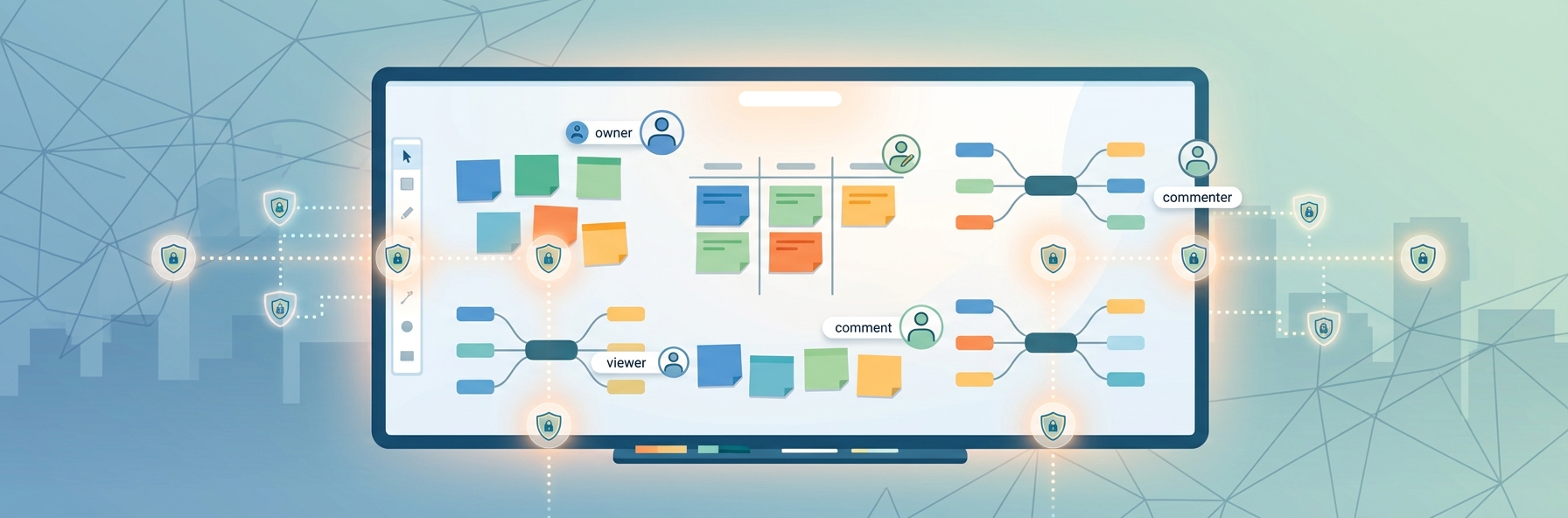
A seamless collaboration experience cannot come at the expense of security. As teams share files, communicate, and collaborate over digital platforms, they expose sensitive business information to increasing cyber threats. Managed IT providers and consultants work hand-in-hand to embed security protocols into collaboration tools and workflows, ensuring that data remains protected without hindering productivity.
Key security measures include implementing multi-factor authentication, data encryption both in transit and at rest, regular vulnerability assessments, and continuous monitoring for suspicious activity. Additionally, providers often advise on best practices for user access controls and data governance policies tailored to the organization’s risk profile.
By integrating security directly into collaboration environments, companies can mitigate risks such as data breaches, ransomware attacks, and unauthorized access. This proactive approach is imperative as cyberattacks targeting business communication channels have surged by 40% in the past two years.
Moreover, security-conscious collaboration fosters trust among employees and clients alike, which is vital for maintaining reputation and compliance with industry regulations such as GDPR, HIPAA, or CCPA.
Driving Business Outcomes Through Collaboration Excellence
The ultimate goal of managed IT and consulting services is to empower teams to collaborate effortlessly across locations, devices, and time zones. This capability translates into faster decision-making, enhanced innovation, improved employee satisfaction, and superior customer service. Companies leveraging these services position themselves to be more agile, competitive, and resilient in the face of market disruptions.
Investing in expert IT management and strategic consulting is, in essence, an investment in the company’s most valuable asset-its people. By removing technological barriers and fostering a culture of collaboration, businesses unlock the full potential of their workforce, enabling them to work smarter and more creatively.
Furthermore, seamless collaboration supports better knowledge sharing and cross-functional teamwork, which are critical drivers of innovation. Organizations that excel in collaboration are 5 times more likely to be high performing and agile, according to recent research.
The Future Outlook: Evolving Collaboration with Managed IT and Consulting
As technology continues to evolve, so too will the demands placed on collaborative environments. Emerging trends such as artificial intelligence, machine learning, and augmented reality are poised to transform how teams interact and share information. Managed IT providers and consultants will need to stay ahead of these developments to ensure organizations can seamlessly incorporate new tools without disruption.
Additionally, the growing emphasis on data privacy and regulatory compliance will require more sophisticated governance models embedded within collaboration platforms. Providers will play a crucial role in guiding companies through these complexities, balancing innovation with risk management.
The scalability and flexibility offered by managed IT and consulting services will become even more critical as organizations expand globally and adopt increasingly diverse work arrangements. Future-ready collaboration solutions will need to accommodate multilingual teams, varied time zones, and differing cultural norms while maintaining security and productivity standards.
Conclusion
The evolving landscape of team collaboration demands sophisticated IT solutions paired with expert strategic guidance. Managed IT services streamline the operational management of collaboration technologies, ensuring systems are secure, reliable, and integrated. Meanwhile, consulting services provide the strategic insight necessary to tailor these solutions to specific business needs and to facilitate smooth adoption across the workforce.
By partnering with specialized providers such as and, organizations can achieve seamless collaboration environments that drive productivity, innovation, and long-term growth. As companies continue to navigate digital transformation, embracing managed IT and consulting services will be essential for building resilient, connected, and high-performing teams capable of meeting the challenges of today and tomorrow.
Published: August 15, 2026