The common image of students in classrooms taking notes with spiral notebooks and highlighters is quickly becoming a thing of the past. These days, more and more students are using their laptops, tablets, and special applications for note-taking. The way students take notes, process the information they receive, organize their knowledge, and study for their exams is rapidly changing. Digital note-taking is dramatically changing the way we learn.
From Passive Writing to Active Knowledge Organization
As opposed to writing down irrelevant notes, the old way of note-taking would result in pages of messy, irrelevant text that would make it difficult for the student to review later. As a result, many notes are only looked at once. Therefore, it would be impossible for a student to connect related notes written weeks apart.
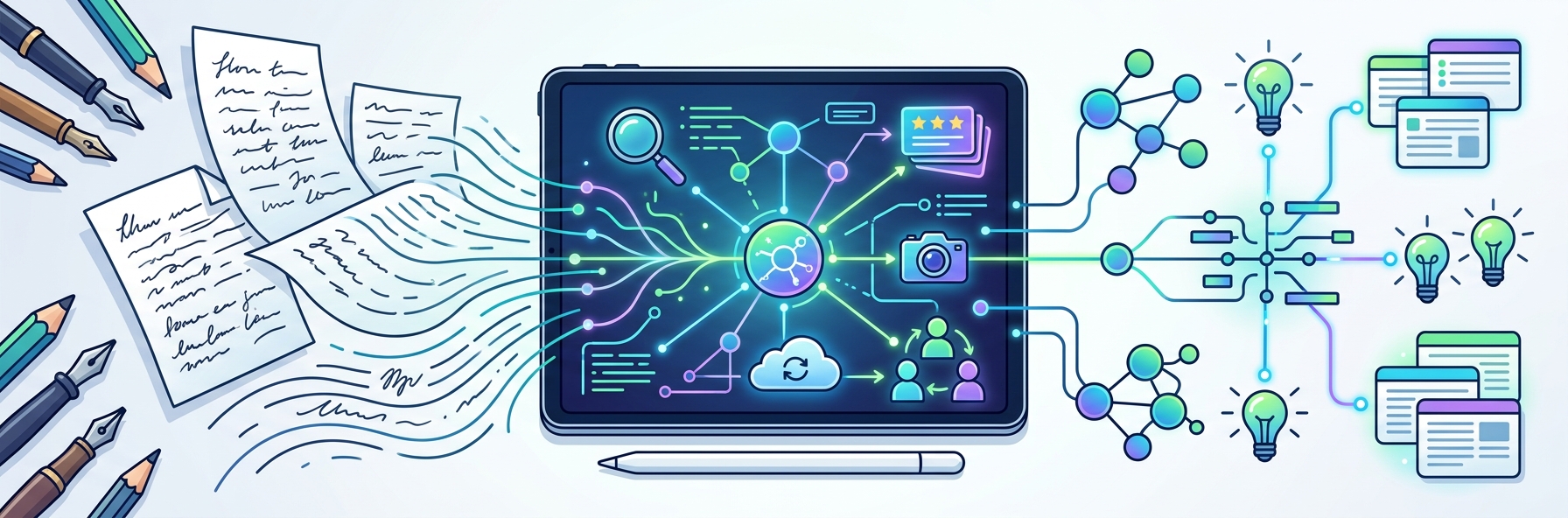
All of this can be managed using digital note-taking software. Unlike traditional note-taking, where students write notes linearly, they can now create more complex, dynamic notes using a wide variety of digital tools and methods to organize their information.
These structures can aid in studying because they are organized, allowing for a more active learning experience. Instead of students reading through a lot of notes, which can feel like a waste of time, organized notes link relevant information together.
Efficiency, Searchability, and Convenience
One of the greatest advantages of using digital note-taking is that your notes can be organized instantaneously. No longer will you have to look through page after page of notes for that specific definition or piece of information that you wrote down months ago. Now, with the use of search, you can instantly find what you are looking for.
Advantages to Study Sessions with Digital Notes
Instant Searchability: Keywords can be located across an entire semester of notes in seconds.
Multimedia Integration: This feature allows students to include images, diagrams, and other multimedia elements within their notes, in addition to written summaries of lectures.
Portability and Cloud Storage: This allows students to have access to their notes anywhere, anytime, on any device.
Revisions Made Easy: A digital note can be reformatted, reorganized, and even expanded upon without having to worry about messy margin notes or being forced to leave in crossed-out lines of thought.
This saves the student a lot of time that would otherwise be used for organization and lets them focus on studying.
The Bridge Between Notes and Active Recall
As previously stated, taking notes is only the first step of learning. After that, it is necessary to retain information in our memory for long periods. For many years, to practice active recall with notes, students wrote their notes by hand and then transferred the information to flashcards. Many hours were wasted by students as they manually transferred information to flashcards.
Digital platforms have bridged the gap between capturing information and reviewing it. Modern learning apps allow students to turn their notes directly into study tools without starting from scratch. For instance, using an AI flashcard generator enables students to automatically convert lecture outlines into flashcards. This integration saves time and ensures that review materials directly reflect the original notes taken in class.
Students can also automatically organize notes and study them using automated active recall, such as Flashcard Frenzy’s AI-powered spaced repetition system, to review and practice key points, improve long-term retention, and review previously harder material.
Collaboration and Shared Learning
While studying alone can greatly benefit a student, there is also much to be said for collaborating with other students in a study group. This can often help students better organize their notes and reach their academic goals faster. Such a collaborative environment naturally lends itself to the use of digital notes.
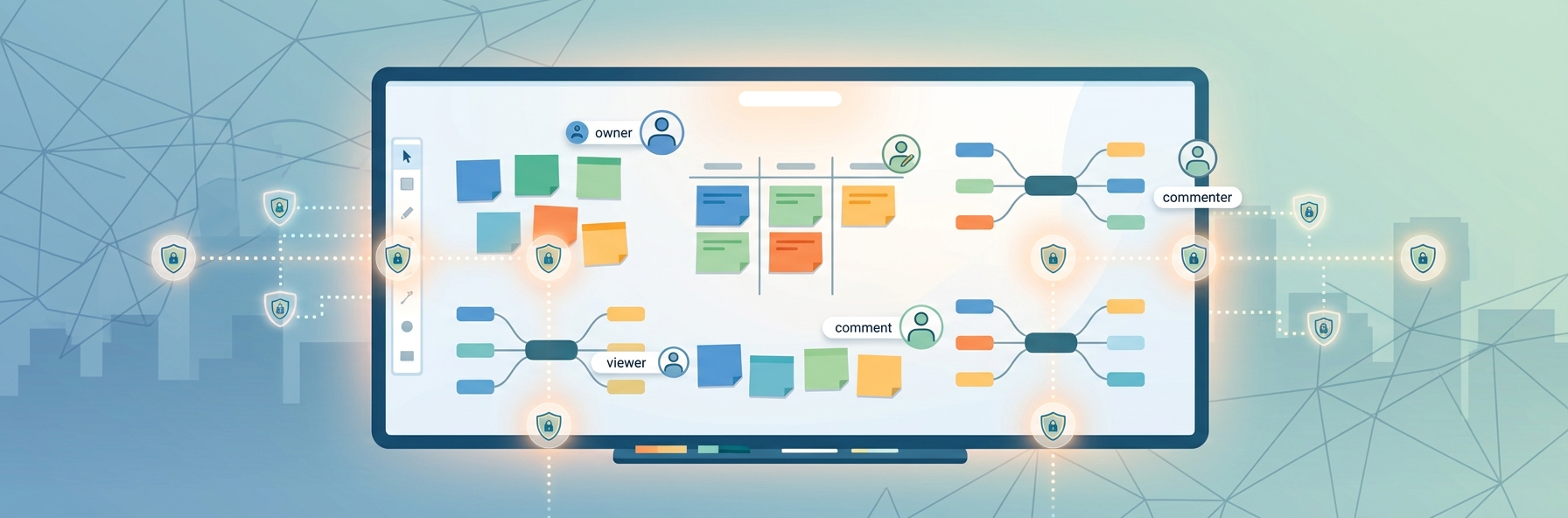
In the shared digital workspace, students can collaborate on creating study materials. They can share whole notebooks with each other, comment on single parts of their outlines, and even co-create large study guides. If a student is absent from class due to illness, they can simply access the notes from their classmates.
Sharing Notes is Better than Taking Notes Alone.
Overcoming Digital Distractions
Digital distractions have created new challenges for students. While in class, for example, students can be distracted by notifications and other activities on their devices. While some students can manage their environment and work through distractions, others are not as successful.
As students turn to more digital study processes, there are many more points of distraction. Using focus modes, turning off non-essential notifications during lectures, and even blocking apps are ways for students to focus on their work. They should opt for the most study-focused tools available, allowing them to concentrate on their studies rather than on how to write effectively on the screen.
When used for the right purposes, technology can have a far greater positive effect than a negative one. By deliberately choosing to use technology for note-taking, organizing information, and removing ourselves from mechanical work, we can use our brains for what is really required: thinking.
Looking Ahead
It seems that as more advanced technologies develop to support students’ learning in schools and at home, digital notes are here to stay and will evolve with these technologies. They will become even more effective study tools for students to manage their learning.
The main thing is that learning has changed, and writing notes is no longer enough. Notes have to be organized, connected, and studied in the most efficient way.
Published: August 28, 2026