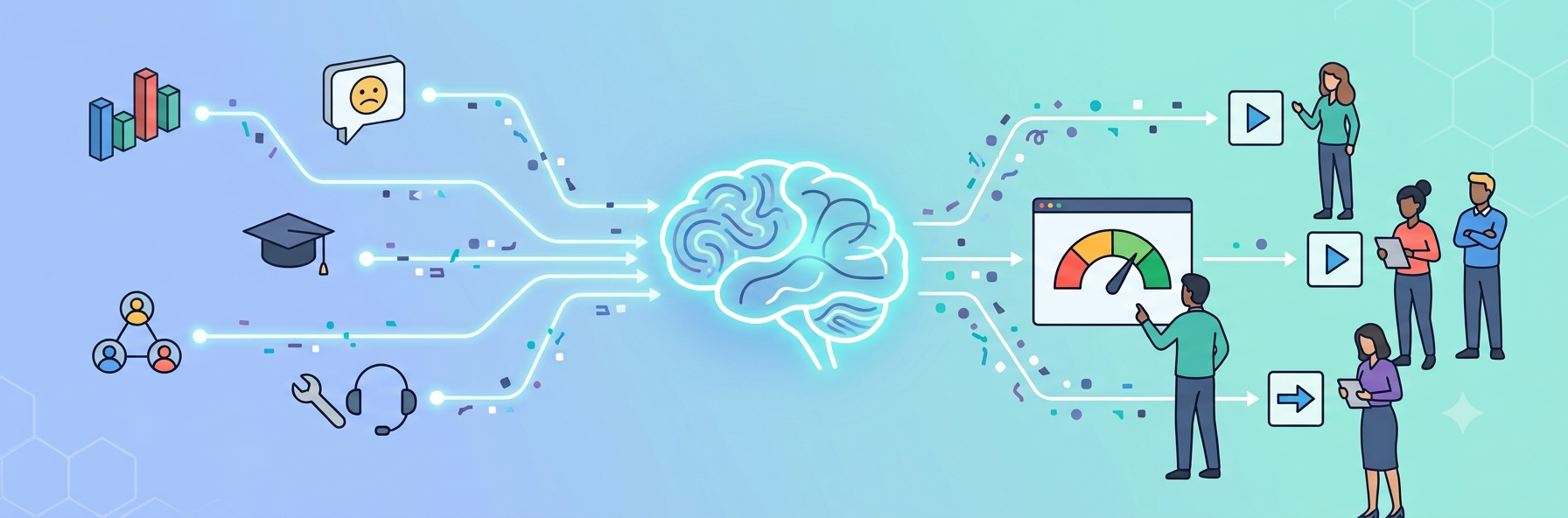
Retention trouble seldom starts with a cancellation notice. It begins earlier, in lower product use, delayed follow-through, weak training progress, or unresolved friction shared across several teams. Revenue may still look steady while account confidence is already thinning. Clear insight brings these faint signals together, giving teams time to respond before renewal risk becomes visible in forecasts, advocacy, or expansion plans.
Signals Across Every Account
A customer insights platform brings product activity, learning progress, community behavior, support history, and account notes into a shared view. That context matters because retention risk often sits between systems. When signals remain separated, teams can miss fading adoption, lower perceived value, or contact disengagement until renewal timing leaves little room to recover.
Usage Drops Tell A Story
Product activity often changes before a customer speaks up. Fewer logins may point to role changes, unclear value, or workflow fatigue. Repeated use of only basic features can signal limited adoption. Strong tracking compares recent patterns with past habits, similar accounts, and expected milestones, then highlights shifts that need attention.
Sentiment Adds Missing Context
Behavior shows what changed. Conversations explain why it happened. Support cases, meeting notes, surveys, and community comments can reveal irritation before churn risk appears. One confused remark may seem minor. Similar concerns across channels deserve closer review, especially when paired with declining use or stalled onboarding.
Education Data Shows Readiness
Training behavior shows whether users are prepared to reach value. Missed courses, low certification rates, or abandoned onboarding paths may reflect uncertainty. Teams can compare learning progress with feature activity to locate knowledge gaps. If key lessons are skipped, daily habits may never form.
Community Activity Reveals Belonging
Community participation can reveal trust, curiosity, and peer connection. Silence does not always mean dissatisfaction, but sudden absence deserves notice. Unanswered questions can also increase frustration. Tracking posts, searches, event attendance, and peer replies helps teams see whether users feel supported beyond formal service channels.
Health Scores Need Depth
A score should explain risk, not flatten it. Useful account health blends usage, sentiment, education, support history, commercial signals, and engagement quality. Weighting requires care because each input carries different meaning. Low health should guide teams toward causes, affected contacts, and practical next steps.
Long-Tail Accounts Need Coverage
Many companies cannot give every account frequent human attention. Smaller segments may drift while teams focus on larger renewals. Automated monitoring gives wider coverage without losing precision. When an account shows weaker activity, poor training progress, or negative feedback, teams can respond before quiet disengagement turns into loss.
Artificial Intelligence Improves Pattern Detection
Artificial intelligence can review large volumes of account communication and activity faster than manual inspection. It can group recurring themes, flag urgent patterns, and suggest likely causes. Human judgment remains essential. Better outcomes come when machine findings guide careful outreach, clearer coaching, and timely internal coordination.
Playbooks Turn Insight Into Action
Risk detection matters only when action follows. Playbooks convert signals into ownership, timing, and response steps. A stalled onboarding path may trigger training help. Negative sentiment may prompt leadership review. Low adoption may start guided education or success planning. Each response should match the cause.
Shared Data Reduces Internal Gaps
Retention depends on success, product, support, education, sales, and leadership all working from the same account story. Shared data reduces guesswork. Product teams see adoption friction. Support identifies repeated issues. Success teams prepare stronger renewal plans, using evidence instead of scattered updates or late anecdotes.
Better Forecasts Come From Earlier Clues
Renewal forecasts improve when risk appears months before contract close. Late warnings leave little time to rebuild value. Earlier clues create space for training, workflow changes, executive engagement, or product guidance. Forecasting becomes more reliable when it reflects behavior, sentiment, and adoption movement, not dates alone.
Conclusion
Hidden retention risks become easier to manage when scattered signals form one clear account view. Usage changes, sentiment shifts, education gaps, and community behavior each show a different part of the relationship. A disciplined insight process helps teams act earlier, focus care where it matters, and protect value before customers pull away. Retention becomes less reactive, more humane, and better grounded in evidence.
Published: July 14, 2026