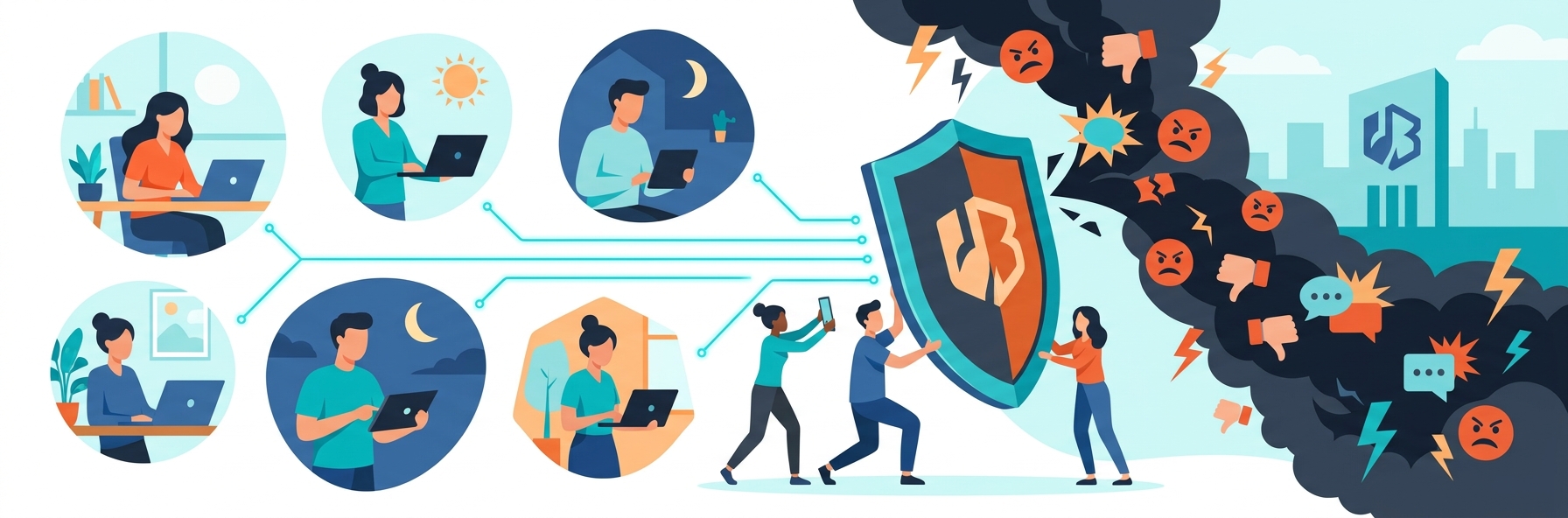
Coverage of the Facebook litigation tends to focus on the broad questions about corporate accountability and product safety. For a family whose teenager has been harmed, those questions can feel removed from the immediate concerns in front of them, such as the cost of treatment, lost school time, and a child whose health has declined. It is not always clear that these lawsuits have anything to offer an individual household.
For affected families, it can offer a direct path to seeking compensation. The Facebook mental health lawsuit is part of a federal multidistrict litigation (MDL), which lets an individual family pursue a claim with the backing of a coordinated effort rather than facing a large company alone. An attorney can examine your family’s records, explain what a claim would involve, and assess what it could realistically recover. A review of your specific circumstances can determine whether pursuing legal action makes sense.
Why This Case Exists
These claims focus on platform features that may reinforce compulsive checking, social comparison, and sleep disruption, especially in adolescents experiencing increased emotional distress. They raise the question of whether persuasive design can be treated like a product choice that creates foreseeable psychiatric harm and treatment needs and results in daily impairment.
What Plaintiffs Must Show
A legal claim usually relies on establishing a duty of care, causation, and damages. Plaintiffs need evidence that the company owed reasonable care, certain features contributed to measurable harm, and that those effects caused measurable harm. Medical records can serve as crucial evidence. Therapy notes, school reports, symptom histories, and usage logs may help establish a clearer timeline between exposure to the platform and any decline in mental health.
Evidence Getting Attention
Courts are examining internal research, public statements, product testing, and engagement metrics. Those materials may show whether company leaders knew some tools could intensify compulsive use or contribute to distress associated with body image. However, general awareness is insufficient. Judges usually look for a direct link between broad corporate knowledge and documented symptoms, treatment history, or reduced ability to function.
Why Meta’s Defenses Matter
The company may point to prior mental health conditions, family strain, bullying, sleep deprivation, or other external stressors. This strategy can narrow the focus on causation. Additionally, even compelling personal narratives often require organized documentation, as emotional injury claims are often scrutinized heavily.
The Role of Health Research
Health research provides a stronger factual foundation for these cases. Public health agencies have warned that heavy social media use in adolescents is linked with higher rates of depressive symptoms, anxiety, and poor sleep. While this evidence does not singularly validate a claim, it reinforces the notion that prolonged exposure to social media warrants serious clinical and legal examination.
What Damages Could Include
Affected users could seek recovery for therapy expenses, medication costs, disruptions to education, lost earning capacity, or pain associated with self-harm, panic symptoms, or eating disorders. Parents may also present claims for related losses in some cases. Courts still expect detailed evidence, especially where emotional suffering must be quantified.
Privacy Concerns for Families
Mental health cases often require deeply personal records. Families may be asked for counseling notes, school files, messages, prior treatment history, or app usage data. This process can feel invasive. Still, thorough documentation can help differentiate between frustration and a medically recognized condition characterized by a defined course, persistent symptoms, and their impact on life at home or school.
Limits of the Lawsuit
This litigation will not resolve every concern tied to youth social media use. Court proceedings move slowly, and appeals can take years. Even so, the case can push companies to reconsider their feed structures, alerts, age safeguards, and warning tools. Public pressure can also influence product decisions before a verdict or settlement is reached.
What It Means Right Now
For affected users, the immediate implications are clear. Courts are beginning to ask whether persuasive design deserves scrutiny similar to other consumer product choices that carry foreseeable risk. If these claims continue moving forward, families may get clearer answers, stronger bargaining power, and a firmer basis for future safety standards across large platforms serving adolescents and young adults.
Conclusion
Individuals reporting harm may find a route to compensation; however, the broader issue at hand is the accountability for foreseeable emotional injuries. If courts continue to demand records, internal documents, and more substantial evidence, major platforms may face increased pressure to treat mental health risk as a safety concern.
Published: July 21, 2026