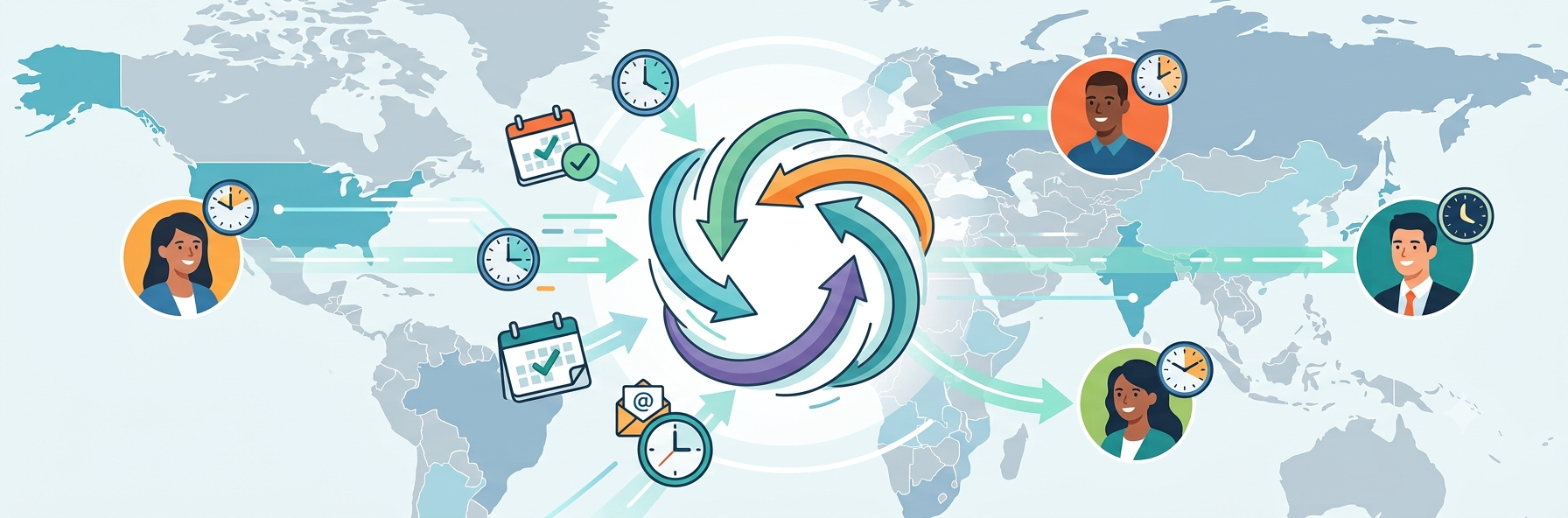
Scaling Tech Teams Without the Overhead
Building a strong tech team is no longer just about hiring full-time employees and hoping they can keep up with demand. Businesses today face constant pressure to deliver faster, adapt quicker, and stay competitive in a market that rarely slows down. The challenge is not just finding talent, but finding the right talent at the right time without stretching budgets or timelines.
This is where flexible hiring models are starting to take over.
The Shift Toward Flexible IT Hiring
Traditional hiring can be slow and expensive. Between sourcing candidates, conducting interviews, onboarding, and training, it can take months before a new hire is fully productive. For growing companies or project-based teams, that timeline simply does not work.
Instead, more businesses are turning to flexible staffing solutions that allow them to scale their teams based on real needs. Whether it is a short-term project, a product launch, or ongoing development support, companies are choosing smarter ways to bring in expertise without long-term commitments.
One of the most practical approaches gaining traction is using affordable IT staff augmentation services, which allow businesses to quickly access skilled professionals without the cost and complexity of traditional hiring.
What Staff Augmentation Actually Solves
At its core, staff augmentation is about filling gaps. But in practice, it solves much bigger problems.
First, it removes hiring delays. Instead of waiting months to onboard someone, companies can bring in experienced developers, engineers, or IT specialists almost immediately.
Second, it reduces costs. There is no need to worry about long-term salaries, benefits, or overhead. You pay for the expertise you need, when you need it.
Third, it increases flexibility. Teams can scale up during busy periods and scale down when projects are completed, without the stress of restructuring.
And finally, it gives access to global talent. Instead of being limited to local candidates, businesses can work with professionals from different regions, often bringing in specialized skills that are hard to find locally.
When Companies Benefit the Most
Not every company needs staff augmentation all the time, but there are clear scenarios where it makes a big difference.
Startups often use it to accelerate product development without committing to large full-time teams. They can move fast, test ideas, and pivot when needed.
Mid-sized companies rely on it to support growth. When demand increases, they can expand their teams quickly without overloading internal resources.
Enterprises use it to handle specific projects or bring in niche expertise. Instead of retraining internal teams, they bring in specialists who can deliver results faster.
In all cases, the goal is the same: stay agile without sacrificing quality.
Common Misconceptions
Some businesses hesitate because they think external talent will not integrate well with internal teams. In reality, most augmented staff work as an extension of your team, using your tools, following your processes, and aligning with your goals.
Another misconception is that quality might suffer. The truth is, many providers specialize in vetting and delivering highly skilled professionals, often with experience across multiple industries and projects.
The key is choosing the right partner and clearly defining expectations from the start.
How to Make It Work
To get the most out of staff augmentation, companies need to approach it strategically.
Start by identifying the exact skills or roles you need. Vague requirements lead to mismatched talent.
Set clear goals and timelines. This helps external team members integrate faster and deliver results more effectively.
Maintain strong communication. Regular check-ins and alignment keep everyone on the same page.
And treat augmented staff as part of your team. The more integrated they feel, the better the outcomes.
The Future of IT Teams
The way companies build teams is changing. Flexibility is no longer a nice-to-have. It is a requirement for staying competitive.
Businesses that adapt to this shift are able to move faster, reduce costs, and access better talent. Those that stick to rigid hiring models often find themselves struggling to keep up.
Staff augmentation is not just a temporary fix. It is becoming a core part of how modern tech teams operate.
And for companies looking to scale without unnecessary friction, it is one of the smartest moves they can make.
Published: April 19, 2026