When a global team shares one inbox, one sales calendar, or one support line, a single missed handoff can mean a lost lead or a frustrated customer. Round-robin scheduling solves this by automatically distributing incoming meeting requests across a group of people, rather than funneling everyone toward one person’s calendar. For distributed teams working across timezones, it’s less of a nice-to-have and more of an operational necessity.
What round-robin scheduling actually does
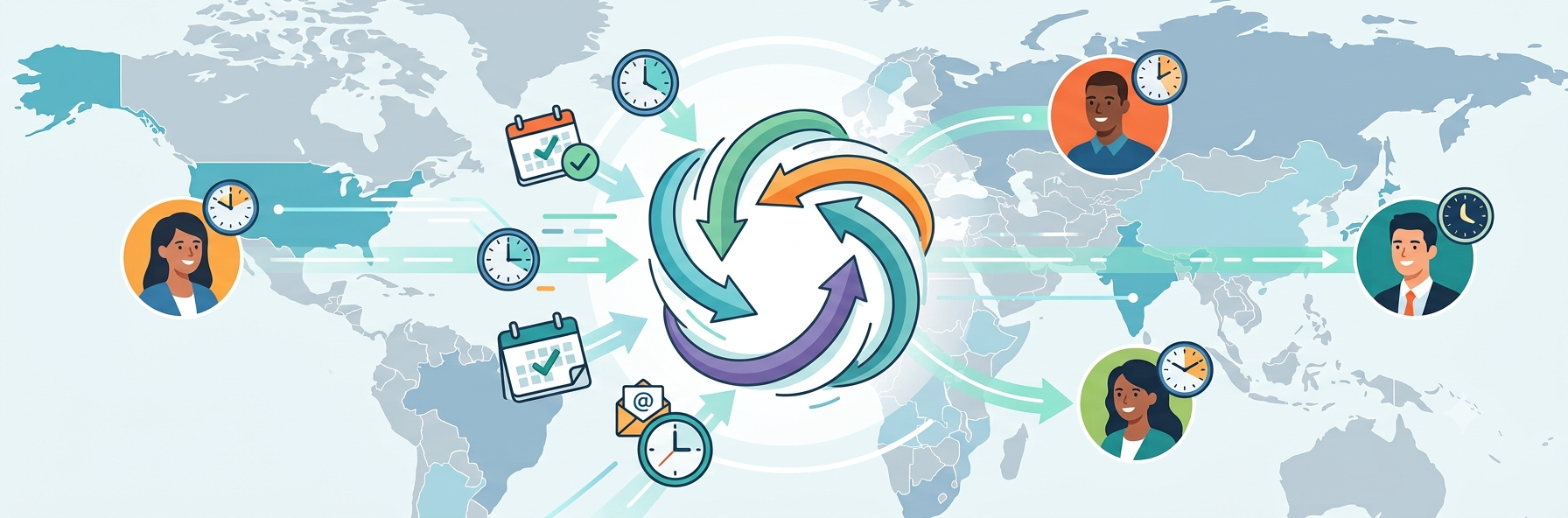
At its core, round-robin scheduling takes a single booking link and, behind the scenes, rotates who actually gets the meeting. Instead of a prospect or customer picking a specific person’s slot, they pick any open slot, and the system assigns the meeting to the next available host based on rules the team defines: equal distribution, weighted priority, availability, language, or region.
This matters most for teams that handle inbound volume: sales development reps taking discovery calls, support teams triaging onboarding sessions, or recruiters running first-round interviews. Nobody has to manually watch a shared calendar or reassign meetings after the fact.

Why timezones make this harder than it sounds
A round-robin pool that ignores timezones quickly breaks down. A booking link that surfaces a 2 a.m. slot for a host on the other side of the world isn’t actually helping anyone. Teams handling global inbound need round-robin logic that layers on top of, not instead of, proper availability and timezone handling, including:
- Per-host working hours that respect each person’s local timezone, not a single company-wide schedule.
- Regional or language-based routing, so a lead from Brazil lands with a Portuguese-speaking host and a lead from Serbia lands with someone in a compatible timezone.
- Holiday awareness, so hosts aren’t offered as available on local public holidays the system doesn’t know about.
- Buffer time and daily meeting caps, so a host in a busy timezone overlap window doesn’t get overloaded while others sit idle.
Practical setup: a workflow that scales
A few practices make meetings scheduling actually work in day-to-day operations rather than just in theory.
- Group by function, not by org chart. Round-robin pools work best when they map to a shared responsibility, like “EMEA discovery calls” or “onboarding sessions,” rather than mirroring reporting lines. This keeps the pool flexible as people join, leave, or shift regions.
- Use routing forms to qualify before assigning. A short intake form, asking for company size, region, or the reason for the call, lets the system route the meeting to the right sub-group before round-robin even kicks in. This avoids the classic problem of an enterprise lead being randomly assigned to someone who only handles small accounts.
- Set realistic caps and buffers. Daily and weekly meeting limits, plus pre- and post-meeting buffers, keep any one host from being overwhelmed just because their timezone happens to overlap with the busiest part of the day for inbound traffic.
- Automate the follow-through. Confirmation emails, reminders, and reschedule links should fire automatically in the invitee’s local time. For distributed teams, this alone cuts down a large share of no-shows caused by timezone confusion.
Where this fits into a remote team’s toolkit
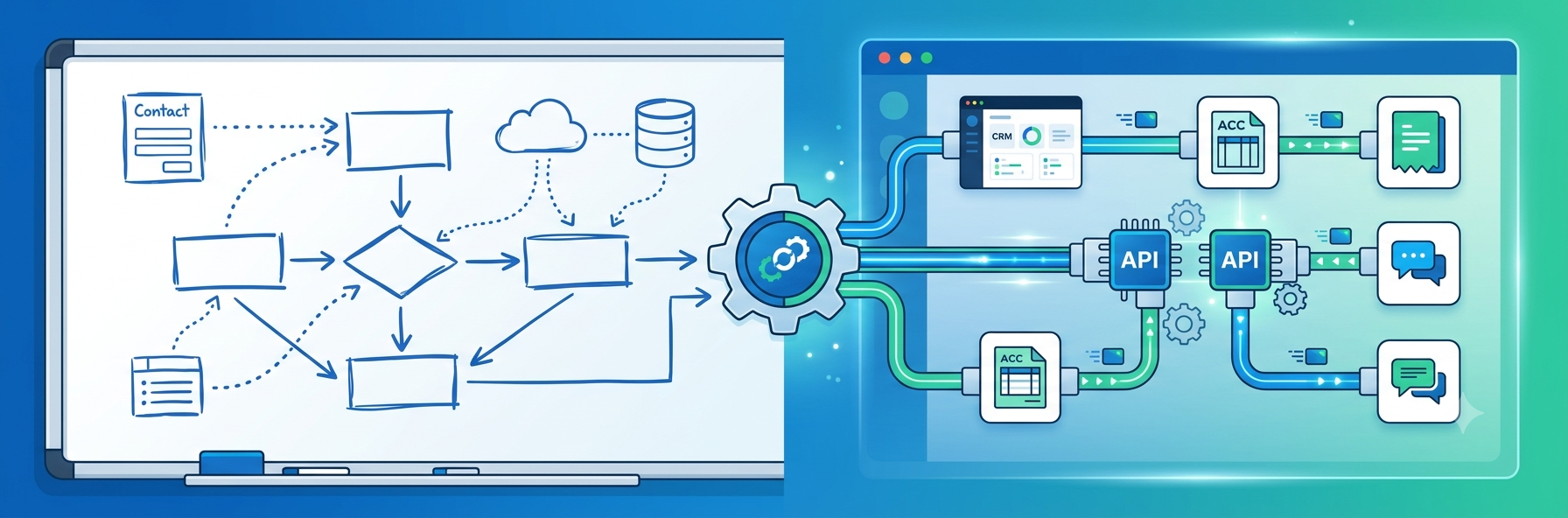
Equal random scheduling tends to work best as one piece of a broader remote collaboration setup: a shared visual space for planning who owns which region or function, paired with a scheduling layer that turns that plan into actual booked time. Tools built for global teams, such as 42min, bake timezone handling, holiday calendars, and routing-form logic directly into round-robin pools, which removes a lot of the manual coordination that used to sit with a sales or ops manager.
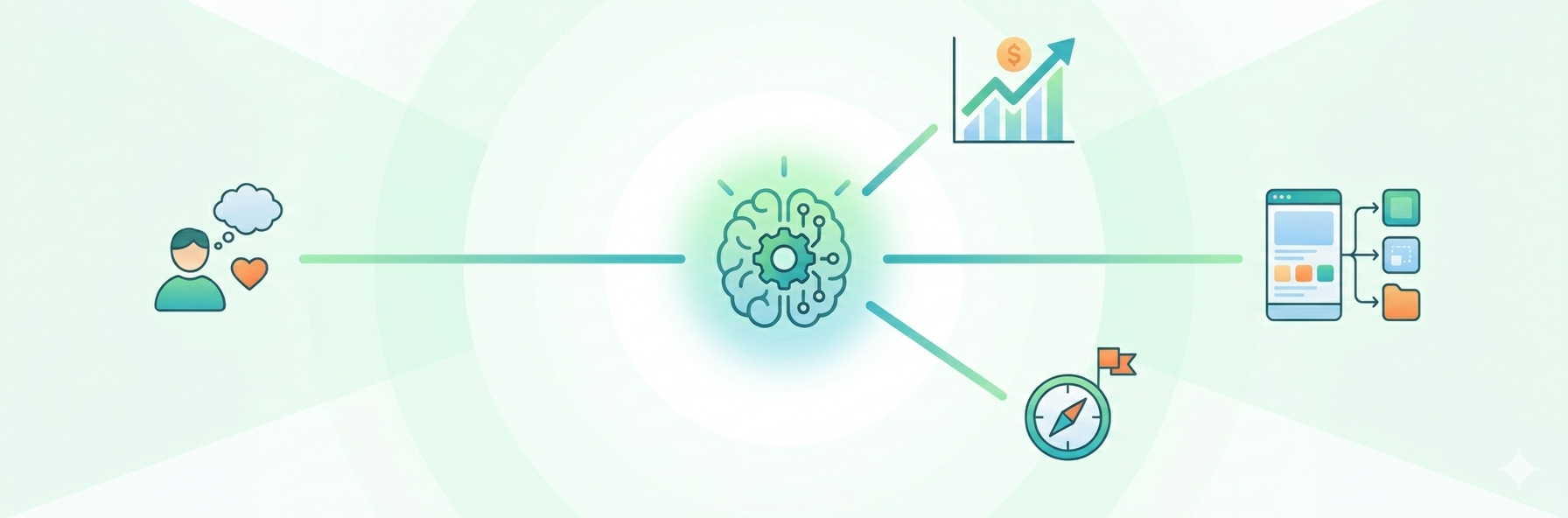
The bigger takeaway is that the scheduling isn’t just about splitting up meetings evenly. Done well, it’s a timezone-aware, language-aware, workload-aware system that lets a distributed team behave like one coordinated front door for inbound leads and calls, no matter where in the world each host happens to be sitting.
Published: July 11, 2026