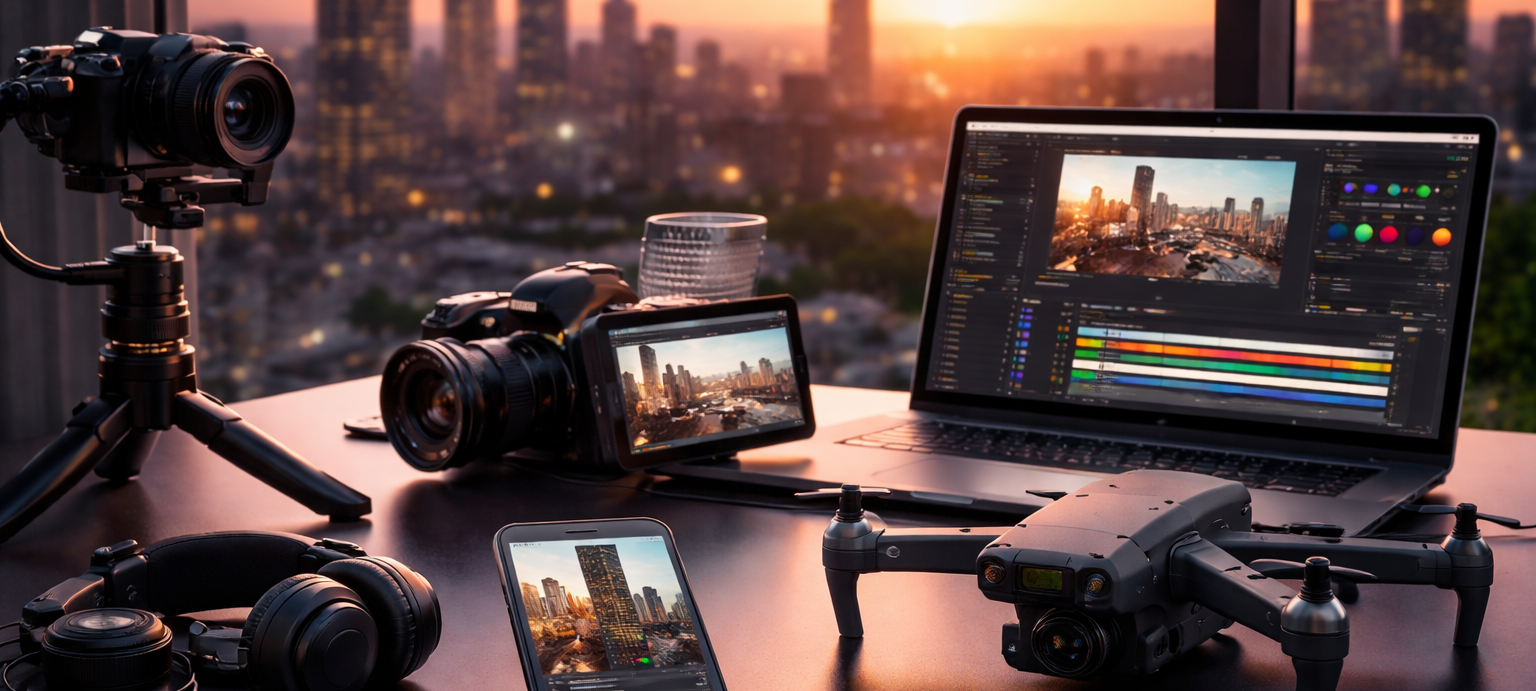
Video production is changing faster than ever, and expectations are rising just as quickly. Audiences want content that feels sharp, relevant, and easy to watch, while brands need video that works across platforms and formats. Emerging technology is playing a major role in that shift, influencing how videos are planned, filmed, edited, and shared.
Stay until the end to see how these changes are reshaping video production and what they mean for modern brands.
Smarter Planning and Strategy
Emerging tech is influencing how video projects are planned. Data from previous campaigns helps teams understand what holds attention and what gets shared. That insight shapes creative choices from the start, including length, tone, and format.
Many UK businesses are turning to experienced teams like Ideal Insight to navigate these changes and plan content that works across channels without feeling forced. A clear strategy ensures technology supports the message and doesn’t distract from it.
AI Is Changing How Videos Are Made
Artificial intelligence is now part of everyday video production. It’s helping teams speed up editing, organise footage, and even suggest cuts based on pacing and viewer attention. AI-powered tools can spot highlights in long recordings, generate captions, and adjust colour or sound levels quicker than manual processes.
For businesses, this means faster turnaround times and more consistent results. It also frees creative teams to focus on storytelling instead of repetitive tasks. While AI doesn’t replace human judgement, it supports smarter decisions and smoother workflows, which matters when deadlines are tight.
It’s also important to note that you should be very careful when generating AI videos yourself. Audiences are growing more and more tired and sceptical of obvious AI content, so it might hurt your business as much as it can help it. Professional video production agencies can guide you through the production process and suggest the best course of action.
The Modern Toolkit
This tech and AI shift is being driven by specific, accessible tools that have changed the barrier to entry for high-quality production.
Runway
This platform is at the forefront of generative AI, allowing creators to remove backgrounds instantly, paint out unwanted objects from a frame, or even generate b-roll from simple text prompts.
Descript
This tool has revolutionised the workflow for interviews and long-form content. By treating video editing like a Word document, creators can edit footage by simply deleting or moving text in a transcript. Its Overdub feature can even fix a misspoken word using a cloned version of the speaker’s voice.
CapCut
Originally seen as a simple mobile app, CapCut has become an industry staple for social-first content. Its library of templates, auto-captions, and trending effects allows brands to produce high-energy videos that fit right in on platforms like TikTok and Instagram.
Adobe Premiere Pro (AI Suite)
As the industry standard, Adobe has now integrated powerful AI to keep pace. Its Sensei AI can now perform ‘Auto Reframe,’ which automatically keeps the subject in the frame when switching from widescreen to vertical, and ‘Enhance Speech,’ which uses AI to make a voice recorded on a cheap phone sound like it was captured in a professional studio.
This means that, today, video production and editing has become more accessible than ever before.
Short-Form and Vertical Video Are Now Essential
Short-form, vertical video has become a core format, driven by platforms like TikTok, Instagram Reels, and YouTube Shorts. These videos fit naturally on mobile screens and match how people scroll and watch content during short breaks. Short videos also need to make an impression fast, often within the first few seconds. That focus on pace is influencing how scripts are written and how scenes are structured.
This shift is largely supported by the fact that the cameras in our pockets have reached a professional tipping point. The latest flagship smartphones, such as the iPhone 17 Pro Max and the Samsung Galaxy S26 Ultra, now feature Pro modes that go far beyond simple filters. With capabilities like ProRes Log recording, 400MP sensors, and manual control over shutter speed and focus pacing, these devices can be tweaked to produce footage that is virtually indistinguishable from high-end cinema cameras. The smartphone has become a broadcast-grade tool capable of capturing stunning dynamic range and cinematic depth.
Drone Footage Adds New Perspective
Drone technology has become more accessible and reliable, making aerial footage a regular part of video production, not just a rare extra. Drones capture movement and scale in ways ground cameras can’t, which works well for property showcases, events, and location-based storytelling.
In the UK, drone use follows strict Civil Aviation Authority rules, so professional planning and working with a production agency is essential. When used responsibly, drone footage adds visual depth and helps videos feel more immersive.
Why Long-Form Video Still Matters
Long-form video hasn’t disappeared. It’s still valuable for brand stories, interviews, explainers, and documentaries. What’s changed is how it’s used. Longer videos now work best when they’re supported by shorter clips that highlight key moments.
Editors often plan for multiple outputs from a single shoot. A full-length video might be embedded on a website or uploaded to YouTube, while shorter extracts are shared across social platforms to draw people in. This approach keeps long-form content relevant while matching modern viewing habits.
The Takeaway
Emerging technology is reshaping video production in practical, visible ways. From faster editing to mobile-first formats and smarter use of long-form content, the focus is on relevance and engagement. Brands that adapt thoughtfully and hire the right production agency are more likely to stay visible and grow organically. If video is part of your strategy, now is the time to review how these changes could shape your next project.
Published: February 23, 2026