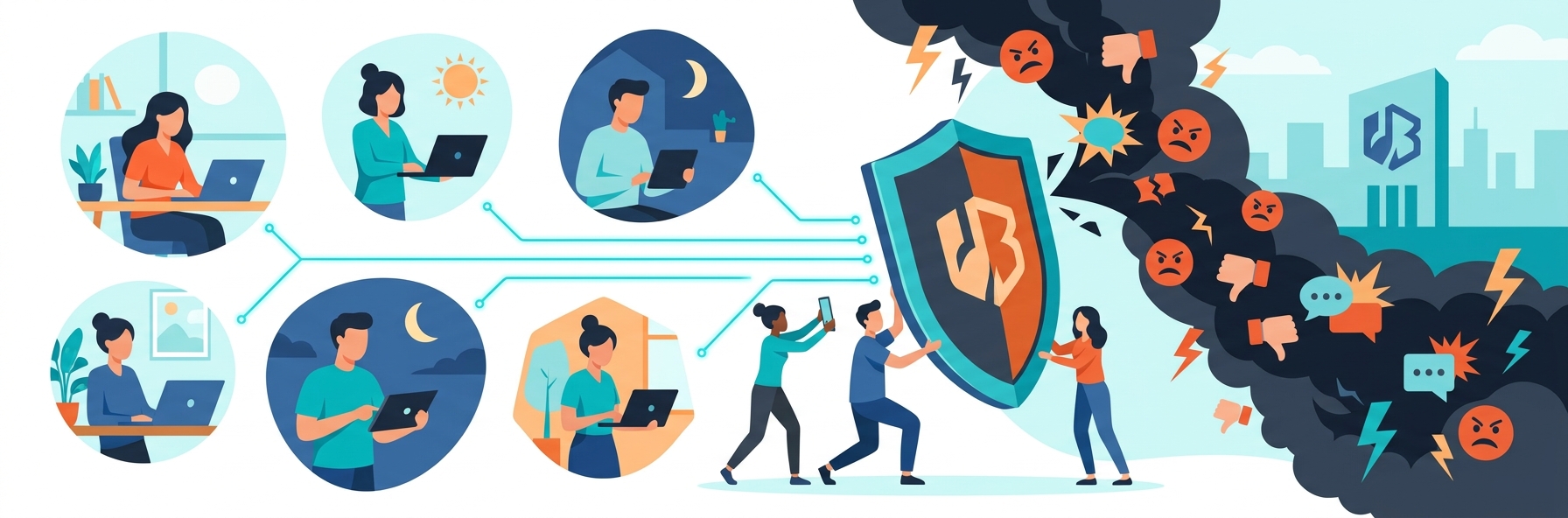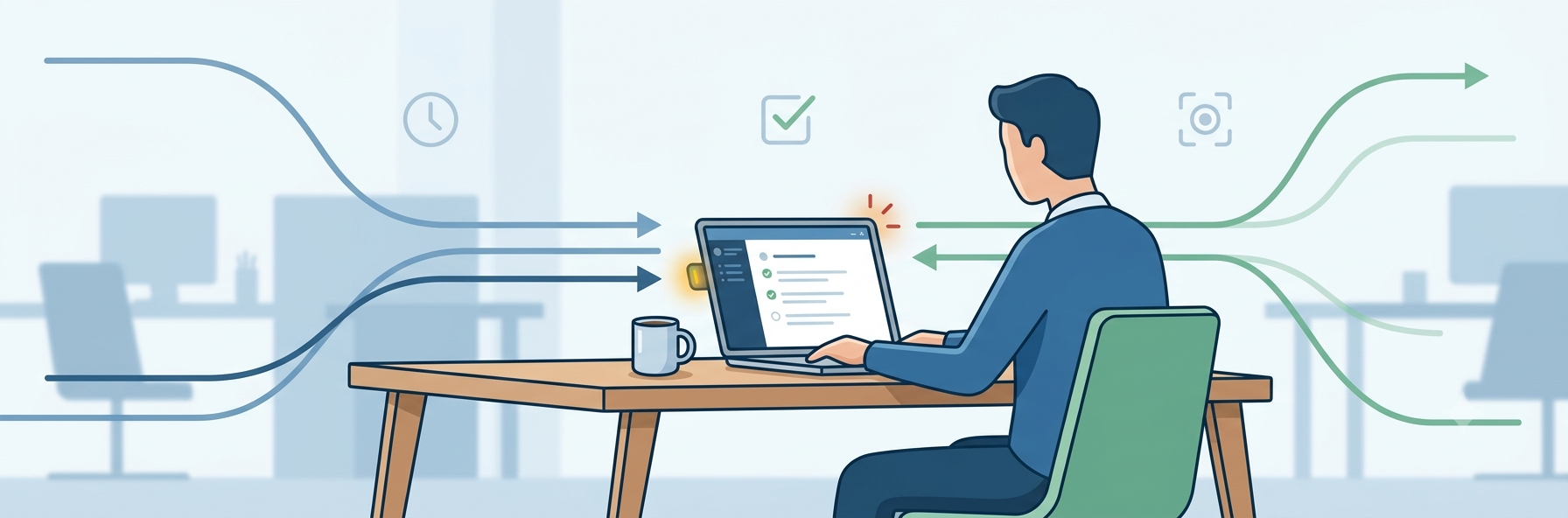
The modern workplace has evolved significantly over the past decade. Hybrid schedules, digital communication tools, and open office concepts have transformed how employees collaborate and perform their daily tasks. However, these changes have also introduced new challenges that can negatively affect productivity and focus. As a result, many organizations are adopting solutions such as a busy tag to help employees communicate their availability, reduce unnecessary interruptions, and maintain better concentration throughout the workday.
Core Principles of Efficient Work Systems
Several key elements contribute to an efficient workplace:
- Clear goals and expectations.
- Effective communication channels.
- Organized workflows and processes.
- Access to modern productivity tools.
- Continuous employee development.
- Healthy work-life balance.
Businesses that invest in these principles often experience stronger employee performance, improved project outcomes, and greater overall efficiency.
How Workplace Culture Impacts Productivity
Workplace culture directly influences employee behavior and productivity. A positive culture encourages accountability, collaboration, and innovation while reducing unnecessary stress and confusion.
Organizations with a healthy culture typically see higher levels of employee engagement because team members understand their responsibilities and feel supported in achieving their goals.
Key Productivity Killers in Modern Offices
Even well-designed workplaces can suffer from productivity challenges. Identifying common distractions is the first step toward improving efficiency and workflow management.
Human Interruptions and Collaboration Overload
Collaboration is essential for business success, but excessive interaction can reduce productivity. Frequent interruptions force employees to switch between tasks, making it difficult to maintain concentration.
Common workplace interruptions include:
- Unscheduled meetings.
- Constant requests for updates.
- Excessive email communication.
- Frequent phone calls and messages.
- Unplanned discussions in shared workspaces.
While each interruption may seem minor, their cumulative impact can significantly reduce the amount of focused work completed during the day.
Digital Noise, Notifications, and Multitasking
Technology offers many benefits, but it can also become a major source of distraction. Employees are constantly exposed to notifications from emails, messaging platforms, mobile devices, and collaboration tools.
Multitasking is often viewed as a valuable skill, yet research suggests that switching between tasks decreases concentration and increases the likelihood of errors. Employees who constantly divide their attention may struggle to maintain productivity and deliver high-quality work.
Modern Solutions for Focus and Workflow Optimization
Organizations seeking to improve efficiency should adopt strategies that minimize distractions and support structured work habits.
Time Blocking and Structured Workflows
Time blocking is a proven productivity method that allocates specific periods for particular tasks. By scheduling focused work sessions, employees can dedicate their full attention to important responsibilities without constant interruptions.
Smart Workplace Tools for Distraction Control
Modern workplace technology can help organizations create more productive environments.
| Workplace Solution | Productivity Benefit |
|---|---|
| Project Management Platforms | Improve task visibility and accountability |
| Focus Management Tools | Reduce digital distractions |
| Scheduling Software | Optimize meeting planning |
| Workflow Automation Systems | Eliminate repetitive tasks |
| Smart Occupancy Indicators | Minimize unnecessary interruptions |
Tools that provide visual availability indicators can be especially valuable in busy office environments. Solutions such as busy tags help employees communicate when they need uninterrupted focus time, creating a more respectful and efficient workplace.
Building Sustainable Productivity Habits
Long-term productivity requires consistent habits rather than temporary motivation. Employees and managers should work together to create routines that support concentration and performance.
Successful productivity habits include setting clear priorities, protecting focus time, and regularly evaluating workflow effectiveness. Small improvements implemented consistently can generate significant results over time.
Final Thoughts: Designing a Smarter Way of Working
Building a distraction-free workplace requires more than simply introducing new technologies. It involves creating a culture that values focus, efficiency, and employee well-being. By reducing interruptions, implementing structured workflows, and using smart workplace solutions, organizations can help employees perform at their best.
As businesses continue to adapt to changing work environments, the ability to support focused and productive work will remain a key competitive advantage. Companies that invest in workplace efficiency today will be better positioned for long-term growth, innovation, and success.
Published: June 9, 2026