With our reliance on digital tools for nearly everything today, online security becomes a priority concern. Our online actions such as social media updates and bank transactions are all vulnerable points for security breaches. Meanwhile, as the cyber world evolves, hackers too become more adept and versatile, often attacking individuals with various threats that can jeopardize personal information, financial assets, and privacy. To effectively defend yourself online, you need to first recognize these threats.
1. Phishing Attacks
Phishing is a method where cybercriminals disguise themselves as trustworthy sources to deceive people into disclosing their confidential data. They may use email, social networks, or fake websites to lure people into handing over their usernames and passwords, their credit card numbers, as well as any other data that can be used against them.
How to Protect Yourself:
- When you receive an email, check the sender’s identity before opening any links inside.
- Don’t give out your personal details over the phone, email, or other messaging services.
- Use tools like spam filters and email signature verification to improve your security.
Learn more about phishing and how to avoid it at the Knowledge base section on Weje.io.
2. Weak Passwords
Hackers find it a breeze to break into the accounts of people who use weak and repetitive passwords. Despite warnings, many people continue to choose incredibly weak passwords such as “123456” or just “password.”
Best Practices:
- Make it a habit to use new and complicated passwords every time.
- Think about using a password manager to generate and keep your passwords safely.
- Make your account more secure by enabling two-factor authentication (2FA) and strengthening your overall identity security posture.
3. Malware and Ransomware
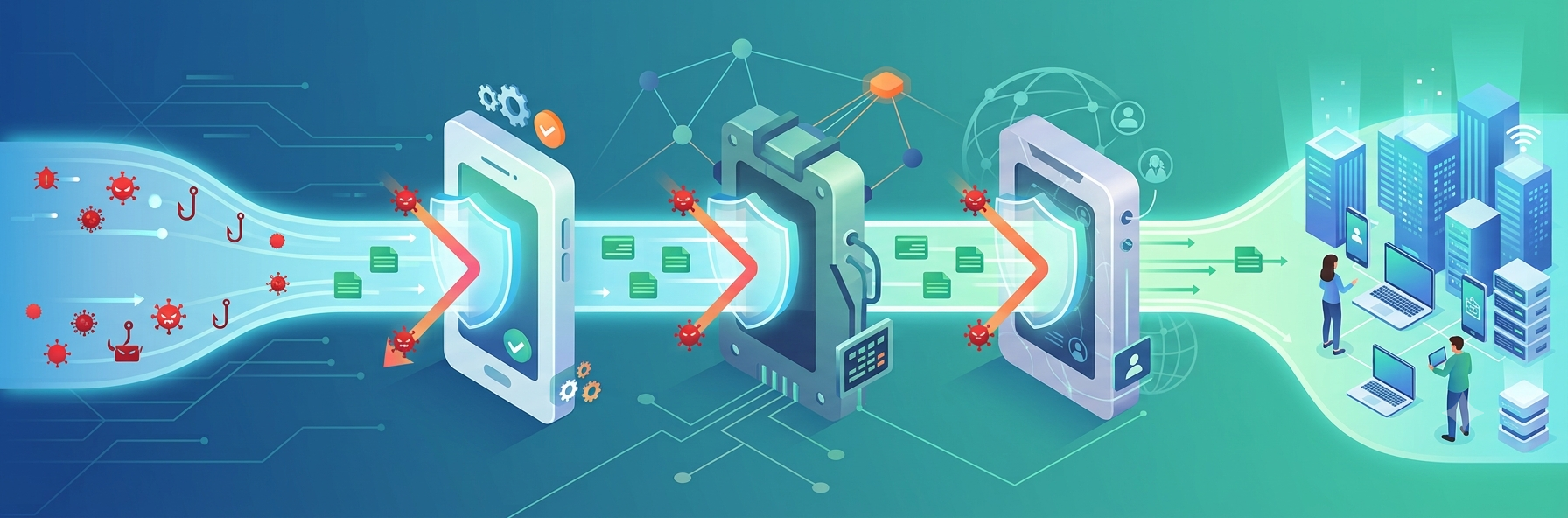
Malware, including viruses, trojans, and ransomware, is designed to damage or disrupt devices. Ransomware, in particular, encrypts your files and demands payment for their release, causing severe personal and financial stress. Cybercriminals can deliver malware through malicious websites, downloads, or even emails.
A great way to safeguard your devices and maintain online privacy is by using reliable VPN services. Platforms like Cybernews provide expert guidance on the best VPNs and occasionally offer Surfshark coupon codes to help users protect their data effectively.
Protection tips:
- Keep your operating system and applications updated.
- Install reputable antivirus software.
- Avoid downloading files from untrusted sources.
4. Public Wi-Fi Vulnerabilities
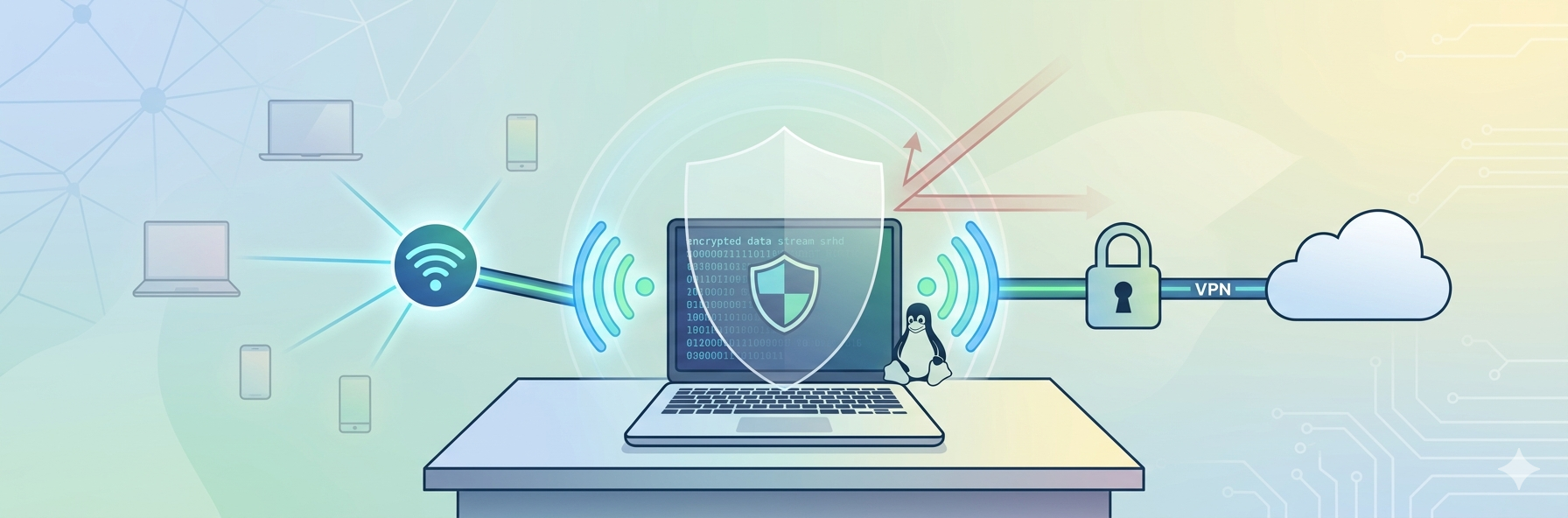
Networks that offer free internet access like those in restaurants and airports are very handy but at the same time very risky due to their lack of security measures. Through such unsecured Wi-Fi, a third party has the ability to sniff the data being sent and received; thus, sensitive information like your different login options, mail, and financial details could get stolen.
How to Stay Safe:
- Protect your data by always using a reliable VPN on public Wi-Fi.
- Whenever possible, refrain from logging into any confidential accounts when you are on public Wi-Fi.
- Deactivate sharing and automatic network connection features while you are using your device.
5. Social Engineering
Social engineering is the manipulation of people to get them to disclose confidential information. It differs from code breaking in that it is based on deceit. One may be lured into divulging secret data via methods such as receiving a call from a so-called help desk, the distribution of fake survey questionnaires, or fake profiles on different social media.
Preventive Actions:
- Don’t trust immediately any calls or messages which arrive out of the blue and ask for personal details.
- Make sure to check the person’s credentials before giving away your secrets.
- Keep yourself updated about various social engineering scams so that you can easily recognize and avoid them.
6. Data Breaches
Data breaches happen when hackers get unauthorized access to huge databases containing users’ details. The leak of personal information like email addresses, phone numbers, and even bank account info can expose people to identity theft.
Ways to guard yourself:
- Keep an eye on your accounts for any unusual activities.
- Have strong and unique passwords for each and every site.
- Subscribe to notifications from your banks and security providers.
7. Spyware and Tracking Software
Spyware stealthily obtains data from your gadgets without permission. This can be details about the websites you visit, passwords, or highly confidential files. The use of some tracking software for targeted ads is another significant privacy issue.
How to Protect:
- Make sure your OS and apps are constantly updated.
- Do not even think about opening suspicious links or pop-ups.
- An anti-spyware program is essential for detecting and eliminating the danger.
8. Identity Theft
If a criminal obtains your personal data, he or she may use it to commit fraud or other crimes. Identity theft can result in illegal bank transactions, credit card fraud, and the involvement of the police.
How to Protect Yourself:
- Keep guard over your digital and physical documents.
- Use strong security options for your internet accounts.
- Make it your habit to check credit records and account statements.
9. IoT Device Vulnerabilities
As smart appliances become fashionable, hackers are increasingly interested in Internet of Things (IoT) devices such as smart speakers, cameras, and thermostats. Security lapses in the devices may enable intruders to infiltrate your network.
Steps to Be Secure:
- Set new passwords on all smart devices instead of using the default ones.
- Always install updates for firmware and software.
- If possible, connect IoT devices on a separate network.
Check out Weje.io’s security section for smart device security tips.
10. Cyberstalking and Online Harassment
Cyberstalking includes continual harassment or online monitoring of a person. This may be in the form of social media mistreatment, unwanted emails, or doxxing (disclosing somebody’s private information).
Measures to Protect:
- Edit social media privacy settings.
- Be smart about what you post and share.
- Inform platform moderators and law enforcement about the abuse.
Conclusion
There is no doubt that technology makes our lives easier. However, the hacker’s business model also adapts to the new tech environment. Phishing, malware, DIY hacking of public Wi-Fi networks, and the darknet are just some of the risks of the digital era. The simple act of remembering complicated passwords, the extra step of entering a code from your phone, using VPNs, and getting the latest news on cyber threats–these are the ways to protect yourself.
For people who want to up their game in terms of privacy, VPNs are worth checking out. Also, you can find great Surfshark coupon codes via Cybernews. The main factors to consider when using the internet are awareness, vigilance, and literacy. Combining those along with taking precautions will help a person enjoy the digital world while reducing the dangers.
Published: March 24, 2026