Highly-functioning commercial establishments are founded on efficient maintenance teams. The clarity with which tasks are allocated is one of the most important influences on productivity. Having known fully what is required of them, the team members will be able to concentrate on effective completion of work without misunderstanding and avoiding undue delays. Assigning tasks clearly limits the amount of wasted time, duplication of responsibilities and also makes all maintenance activities done in time.
It is also a clear task assignment which is useful in ensuring that the managers are able to monitor progress. When the individual roles of every team member are established, the supervisors will be able to observe performance and resolve the possible bottlenecks within a short period. This transparency helps in creating a better structure in the workplace and creating a sense of accountability, which eventually leads to the efficiency of the entire maintenance crew.
Clarity in Roles
Roles should be defined in the maintenance team in order to be productive. Every member of the team must know his or her role and how it is aligned with the overall maintenance process. This makes it very clear and the tasks are given to the right individual with the skills and expertise needed to accomplish them.
Team members are also likely to own the tasks when they have proper roles. They are able to work on their assignments without having to redo them again and again to need guidance or clarification and rather save time and enhance efficiency. Well-established roles also bring about a feeling of responsibility, team members are made aware that the success of the maintenance operation is pegged on their own performance.
Task Prioritization
Clear assignment of tasks presupposes not only definition of responsibilities but also setting priorities. Maintenance personnel have to address several work orders simultaneously and unless there is proper prioritization there will be chances that the company will not address the most essential jobs with first priority and respond to the minor ones.
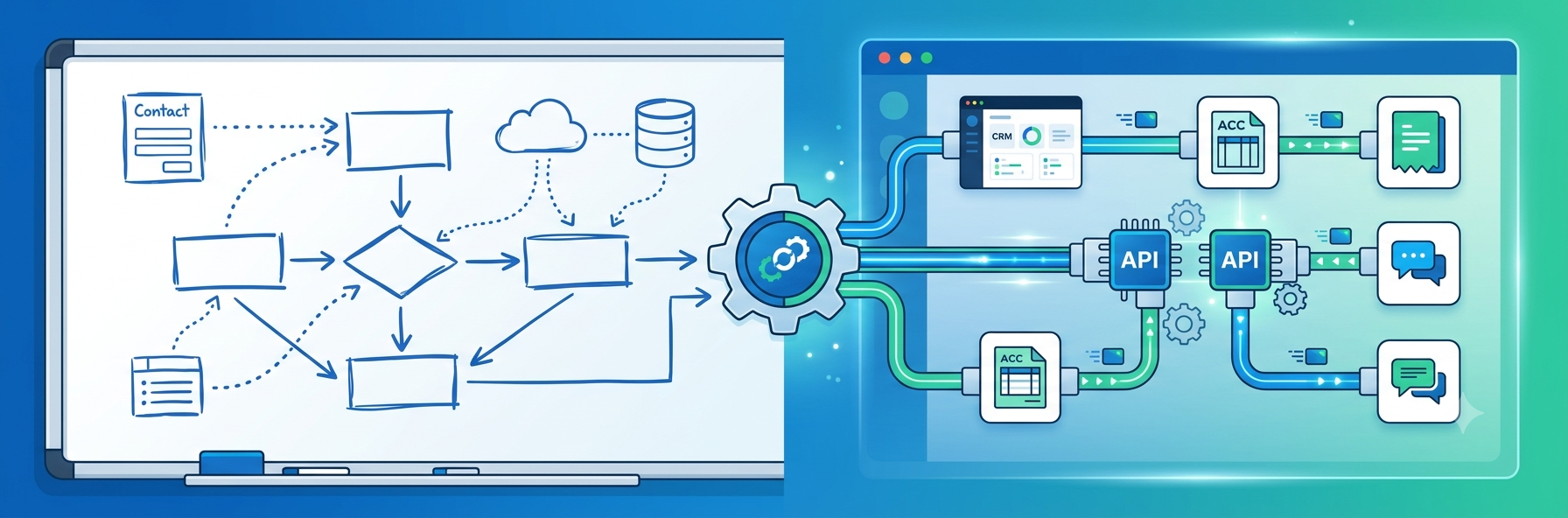
Work order management software can also be useful in assigning tasks by managers at the urgency level, level of complexity and the available resources. By doing so, priorities of a problem are met within a short period of time and lower priorities are allocated accordingly. Priorities are to be made clear and will avoid confusion and enable the team to work on what matters the most which will enhance productivity.
Communication and Coordination
Communication is strongly connected with proper task assignment. When the team members are aware of their duties and the position of other tasks, the coordination is enhanced and work is run quite easily. It is recommended to update and check in regularly and avoid misunderstanding as well as make sure that everyone is on the same page.
Effective communication within a team is more likely to help the team deal with unforeseen surprises. In case of an issue, the task assignment of team members enables them to be aware of who will solve the problem. This saves on downtime and other problems are resolved promptly keeping facilities running well and disrupting as little as possible.
Monitoring and Feedback
One of the aspects of ensuring productivity is monitoring the completion of work tasks. Clarity of managers in assigning tasks allows them to monitor progress and give feedback to ensure that work is up to standard. Frequent criticism enables team members to know what they can do to be better and upholds responsibility.
Monitoring can be assisted by the use of work order management software which will give real-time records of task completion. Any delays or problems are easily detected and managed by the managers, before they affect the overall productivity. Such a level of monitoring promotes the motivation and focus of team members so that the operation of maintenance activities can be efficient.
One of the essential parts of enhancing the productivity of the maintenance team is clear task assignment. Managers can build a well-structured and productive working environment by specifying the roles and responsibilities, prioritizing tasks, promoting communication, and tracking progress. Clearness and accountability are also increased with the help of such tools as work order management software making teams work in a seamless way and perform maintenance activities in an effective manner. Finally, the proper delegation of tasks is not only more efficient but also helps to maintain a more dependable and well-functioning facility.
Published: December 31, 2025