As cyber threats continue to multiply and evolve, most organizations primarily focus on external risks. Meanwhile, employees and partners with access to critical systems and confidential data can pose a more immediate danger.
Reducing the likelihood and impact of insider threats is non-negotiable when building long-term resilience. Understanding how such threats happen and how to combat them is the first actionable step toward this goal.
What Are Insider Threats?
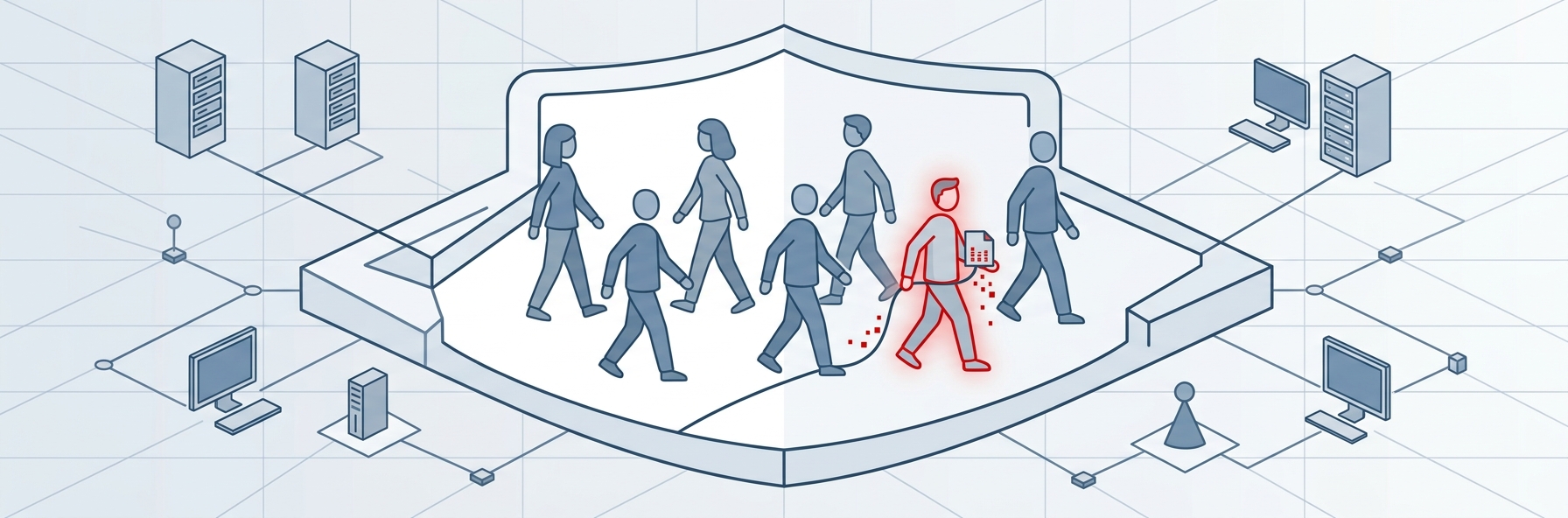
As the name implies, an insider threat is any kind of security risk that stems directly from inside the affected company or organization, as opposed to risks from external parties like hackers or data brokers.
Insider threats are insidious because the attackers operate with several advantages. They already have access to critical systems, so there’s no need to hack into them or use social engineering to obtain login credentials. Insiders may also possess intimate knowledge of the organization’s security measures and use it to bypass those measures without raising suspicion. The damage can be significant and take a long time to uncover, let alone rectify.
Who are the insiders?
In this context, an insider is anyone with intimate systems knowledge and active access. Current and former employees come to mind first, but they’re not the only ones. Third-party partners and contractors regularly have temporary system access. Their cybersecurity awareness and measures may not be up to the same standards, so they’re more likely to become an avenue attackers abuse for unauthorized access.
Intentional vs. unintentional risks
The term insider threat tends to conjure up images of disgruntled ex-employees or underpaid team members who sell company secrets on the dark web. Their actions are intentional, so the damage they inflict is both varied and extensive. Insiders might leak trade secrets and customer data, sabotage systems, or provide external attackers with means of undetected access.
However, such malicious actors account for only 25% of incidents involving insiders. Accidental threats are far more common. Some are caused by a lack of cybersecurity awareness and training. Others are the direct result of human negligence.
Common Causes of Insider Threats and Effective Precautions
Assuming that insider threats only happen in organizations with underdeveloped cyber defenses would be a wrong oversimplification. Even with proper measures in place, threats may still happen if insiders have lax access, lack security awareness, or misuse the latest technologies.
Weak access controls
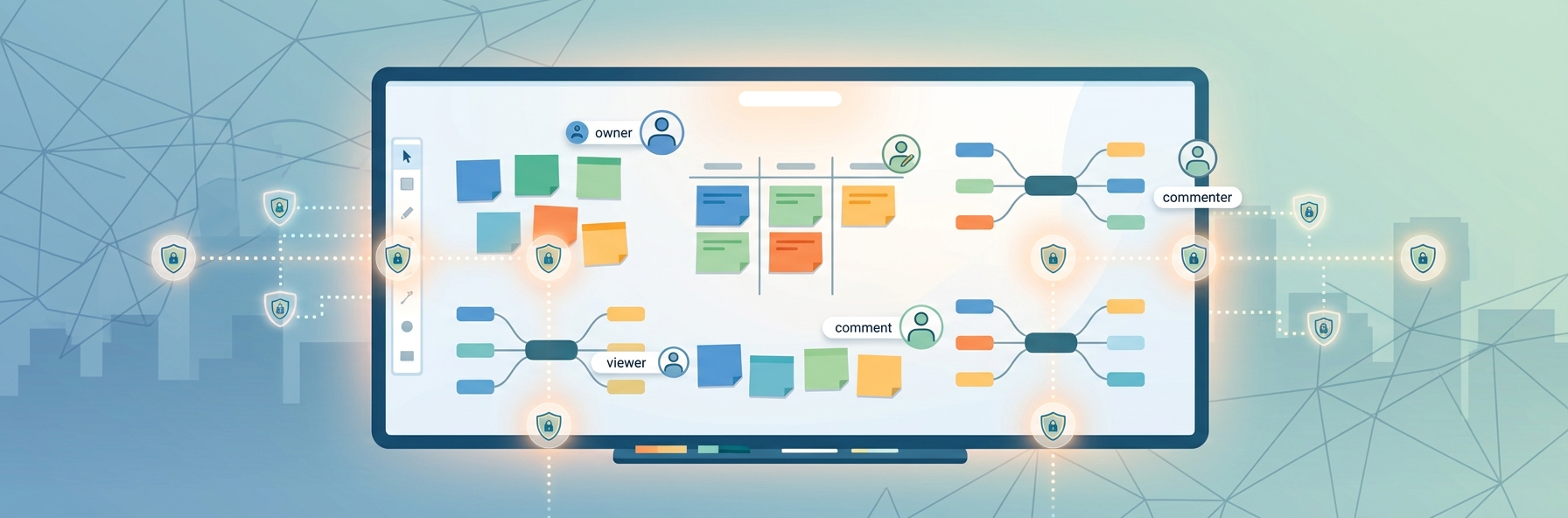
An irresponsible approach to access controls is one of the most common and abused points of failure. Broad permissions mean employees in one department may be able to access sensitive information from another or obtain further privileges even though these have nothing to do with the actual scope of their work.
Malicious insiders and the attackers they cooperate with can use this to obtain sensitive information or escalate privileges. Negligent administrators may forget to disable accounts when employees are terminated or switch roles, leaving further security gaps.
Access needs to be based on rules and a lack of inherent trust. RBAC ensures that each account can only access the resources and information that correspond to the user’s work responsibilities. Meanwhile, zero-trust principles and measures like multi-factor authentication ensure no account can gain access without proof of the user’s identity.
AI misuse
Artificial intelligence introduces a new layer of insider threats many organizations are still struggling to recognize, let alone thwart. On the one hand, employees who don’t understand how LLMs and other AIs store and process information may unintentionally leak confidential data. On the other, malicious insiders may leverage AI to commit business email compromise or automate their intentional data theft efforts.
Responsible AI use is key to reducing these risks. Companies and organizations should carefully vet AI tools and provide training on best practices, especially as popular AI agents become more widely adopted. These tools can perform specific automated tasks, but their use still requires appropriate oversight and controls. Strong guardrails should therefore be a non-negotiable criterion when choosing AI tools.
Poor security awareness
A general lack of responsibility and cybersecurity training unwittingly turns employees into weak links attackers can exploit, even if cyber defenses are otherwise robust. Behaviors like reusing easily identifiable passwords, connecting to company systems from unsafe networks, and falling for phishing or other social engineering scams remain far too common.
A combination of training and tools is the most effective approach here. Training gives employees the awareness to recognize, sidestep, and avoid threats. Password managers enforce and simplify good password hygiene. VPNs are especially useful for remote employees since they facilitate secure and encrypted access even if an employee is using an at-risk network like public Wi-Fi.
That said, VPNs should still be treated as a business expense. For larger teams, it may be worth contacting providers directly or asking about B2B pricing to reduce costs. For smaller teams, individual plans can still be a practical option, especially when using specific discounts like NordVPN coupons.
Conclusion
The prevention of insider threats is an ongoing responsibility that will only grow more prescient as digital systems develop and technologies like AI mature. Recognizing warning signs and implementing the solutions outlined above now will reduce the likelihood of reputational damage, customer mistrust, and disruptions in the long run.
Published: August 24, 2026