Web scraping often fails because websites detect repeated requests from the same IP address and not because of poorly written code. Once that happens, rate limits, CAPTCHAs, or full IP blocks come up. Using rotating proxies is really useful in this situation.
Here we’ll talk about how rotating proxies work in web scraping, why websites block scrapers, and the right way to set them up and use them.
What Are Rotating Proxies in Web Scraping
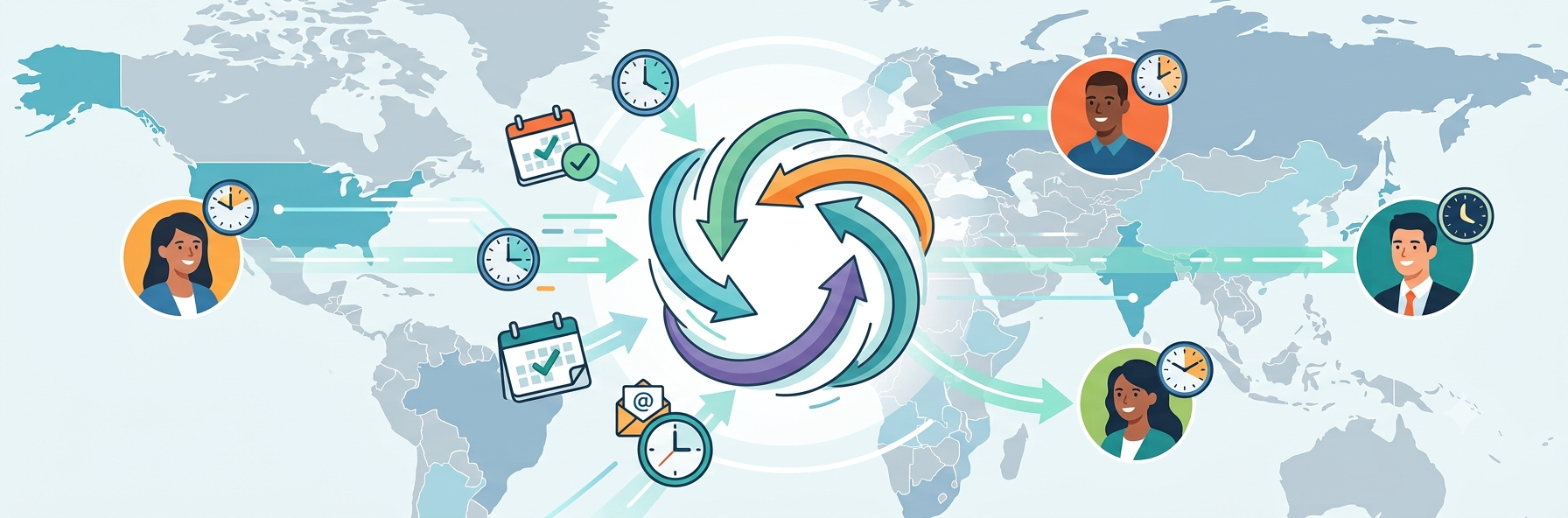
Rotating proxies are proxies that automatically change the IP address used for your scraping requests. Each request, or group of requests, is sent from a different IP address from a larger pool. Not all requests are sent from the same IP address.
This is important for web scraping because sites often keep track of how many requests come from a single IP. It can look really suspicious when a site gets a lot of requests from the same address. Rotating proxies distribute traffic across multiple IP addresses, making the activity appear like typical user behavior.
Why Websites Block Scrapers
Websites block scrapers to protect their servers, information and user experience. A high number of requests from same IP address within a short time is a sign of automated activity and not a real visitor.
The most frequent triggers are sending requests too fast, visiting numerous sites within several seconds, or having to use the same patterns repeatedly. After detection, websites respond by rate limiting, CAPTCHA, temporary bans, or blocking the entire IP.
How Rotating Proxies Help You Avoid IP Blocks
By spreading requests across a large number of IP addresses, rotating proxies reduce the risk of IP blocks. It looks like each request is made by a different user or location, unlike a site receiving hundreds of requests from the same source.
The other benefit is resilience. The scraper switches to the other IP when the current one is blocked, and the entire process is not interrupted. This enables the data collection process to keep going without interruption, even on websites with more restrictions.
Also, since clean and well-maintained IP pools are less likely to be flagged or blacklisted, using high-quality services, such as proxies with rotating IPs by ProxyWing, will boost success rates.
How to Set Up Rotating Proxies for Web Scraping
Setting up rotating proxies does not require a complicated setup, but it does require a few steps that must be taken correctly from the start.
- Pick a rotating proxy provider – Use a provider that supports IP rotation by default. Avoid free proxies. They are slow, unstable, and usually blocked. For most sites, residential or ISP rotating proxies work better than basic datacenter IPs.
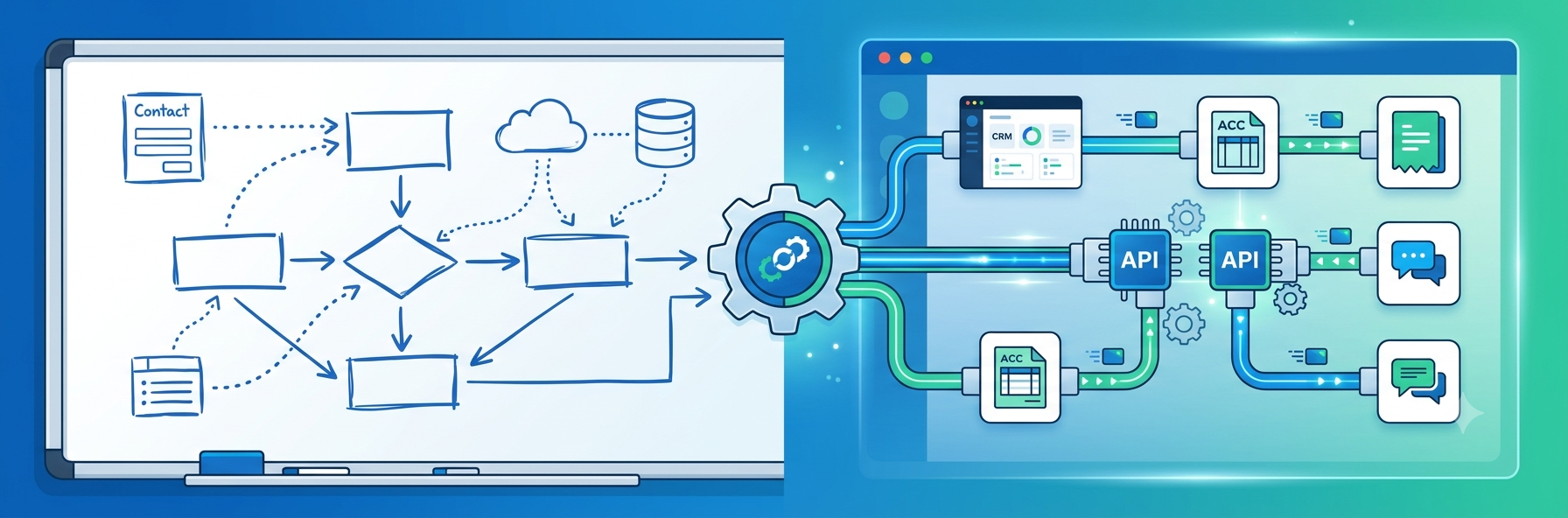
- Use the proxy gateway address – Connect your scraper to the host and port given by the proxy service. The provider rotates IPs automatically. You do not need to handle IPs yourself.
- Set up access credentials – Log in with a username and password or whitelist your server IP.
- Add the proxy to your scraper – Configure the proxy in your scraping tool or code. Works the same way in Python, Scrapy, or Node.js.
- Choose how often IPs rotate – Use per-request rotation for scraping many pages. Use short sticky sessions if the site requires the same IP briefly.
- Test with small runs first – Send a small number of requests. Check if IPs change and pages load correctly before increasing volume.
Best Practices for Scraping with Rotating Proxies
Rotating proxies by themselves are not enough. The way you make requests is equally important.
Control your request speed
Do not make requests too fast. Separate and introduce delays. Quick, repeated requests by numerous IPs will still appear to be automated and will cause blocks.
Rotate user agents
Send requests to different user agents of the browser rather than using the same user agent. This will avoid easy fingerprinting, even in rotating IPs.
Use the right proxy type
On strict sites, datacenter proxies do not perform as well as residential or ISP rotating proxies. Datacenter IPs are less expensive and are blocked more frequently.
In situations where session consistency is important, such as account logins or multi-step scraping, a static residential proxy can be a better choice, as it provides a stable IP while still appearing like a real user. Some providers, such as Proxy-Cheap, offer this type of setup alongside rotating options, making it easier to switch based on your scraping needs.
Monitor blocked and slow IPs
Monitor page behavior and watch response codes. When an IP begins to malfunction or show captchas, quit using it. Bad IPs are automatically eliminated through good setups.
Match scraping behavior to the website
Scrape slowly on small sites and cautiously on protected platforms. Set the speed, rotation and length of the session depending on the strictness of the site.
Do not repeat the same patterns
Never scrape pages in the same way. To make traffic look less predictable, adjust the routes and schedule of change requests.
Common Mistakes That Still Get You Blocked
Even when using rotating proxies, these mistakes often end up in blocks.
- Sending requests too quickly – Even when IPs rotate, one of the quickest ways to get blocked is with a high request speed.
- Using free or poor-quality proxies – Before you begin, a large number of these IPs have already been flagged or blacklisted.
- Using IP rotation alone – Websites also monitor timing, behavior, and headers. IP rotation is not enough.
- Using the same user agent for each request – It is simple to identify automated traffic when the same headers are used repeatedly.
- Scraping with a fixed pattern – It looks unnatural to visit pages in the same order and at the same pace.
- Ignoring the signals of response – Repeated blocks happen when CAPTCHA, errors, or 403 responses are not handled.
- Reusing IPs that are blocked – Sending requests via IPs that have already been blocked only increases detection.
When You Should Use Rotating Proxies (Use Cases)
Rotating proxies are reasonable when your scraping project involves numerous repetitive requests to the same site. They are usually used for data collection and web scraping, where collecting large amounts of public data would quickly reach IP limits without rotation.
Rotating proxies are also useful for market research and price monitoring, as they can slow down or stop repeated IP access. Rotating IPs are useful to get around search engines and location restrictions while tracking SEO and keeping track on the SERP.
They work well for content monitoring and ad verification, where multiple IPs submit requests to demonstrate real user access.
If IP restrictions are the main obstacle and your work involves a lot of automated requests, rotating proxies are the best option. Rotation is typically not required when the volume of requests is low.
Published: February 16, 2026