The web does not stand still, and neither do the demands placed on the agencies that build it. Client expectations are rising, project complexity is increasing, and the technology landscape shifts faster than most teams can keep up with. In the middle of all that change, one question deserves more attention than it normally receives: Is your hosting infrastructure ready for what is coming next?
For WordPress agencies, hosting is much more than a line item on an invoice. It is the operational backbone that supports every site you launch, every client relationship you maintain, and every promise you make about performance and uptime. If that backbone cannot evolve alongside your business, it becomes a bottleneck rather than an asset.
The Pace of Change Is Accelerating
WordPress itself is evolving at a rapid pace. The shift toward full site editing, the growing role of the block editor, and the increasing adoption of headless architectures are transforming the way agencies build and deliver projects. Meanwhile, web standards around performance, accessibility, and security are becoming stricter each year. Google’s Core Web Vitals have made site speed a ranking factor. Privacy regulations continue to expand across regions. And visitors expect near-instant load times on every device.
A hosting environment that worked perfectly two years ago may already be showing cracks under these new pressures. Future-readiness is not about chasing trends; it is about ensuring your infrastructure can absorb change without forcing you into emergency migrations or painful overhauls.
PHP and Software Stack Currency
One of the clearest indicators of whether a hosting platform is future-ready is how it handles PHP version management. WordPress performance improves significantly with each major PHP release, and running an outdated version does not just slow your sites down; it also exposes them to security vulnerabilities that are no longer being patched.
A future-ready host makes it easy to test and adopt new PHP versions as they become available, ideally with staging tools that let you verify compatibility before switching production sites. Beyond PHP, the broader software stack should stay current as well. Database engines, caching systems, and web server software all receive updates that improve performance and close security gaps. If your host is slow to adopt these updates, your sites are falling behind even when your code is perfectly maintained.
Scalability That Matches Your Growth
Agencies rarely stay the same size for long. A strong quarter might bring on three new clients, each with different traffic patterns and resource needs. A viral campaign could send one client’s site traffic through the roof overnight. If your hosting cannot scale dynamically to accommodate these shifts, you are left scrambling to upgrade plans mid-crisis or apologizing to clients for degraded performance.
Future-ready hosting offers elastic resource allocation, the ability to increase compute power, memory, and bandwidth on demand without migrating to a new server or renegotiating contracts. This flexibility is central to what separates a capable WordPress agency hosting platform from a generic provider that treats every account the same, regardless of scale or complexity.
Security That Evolves With Threats
Cyber threats do not follow a predictable schedule. Attack methods grow more sophisticated every year, and agencies managing multiple client sites carry a concentrated risk. A single compromised site can become a gateway to others on the same infrastructure if proper isolation is not in place.
Future-ready hosting takes a proactive stance on security rather than a reactive one. This includes:
- Continuously updated firewall rules that block new attack patterns as they emerge
- Automated malware detection that adapts to new threat signatures
- Real-time intrusion monitoring to catch unauthorized access attempts instantly
- Automatic patching of known vulnerabilities before they can be exploited
It also means your host invests in its security research and responds to emerging threats before they become widespread incidents. A provider that only updates its defenses after a breach has already happened is not protecting your future; it is gambling with it.
AI, Automation, and Workflow Integration
The next wave of change hitting WordPress agencies involves artificial intelligence and workflow automation. From AI-assisted content generation to automated testing pipelines and intelligent performance monitoring, the tools agencies rely on are becoming more connected and more data-driven.
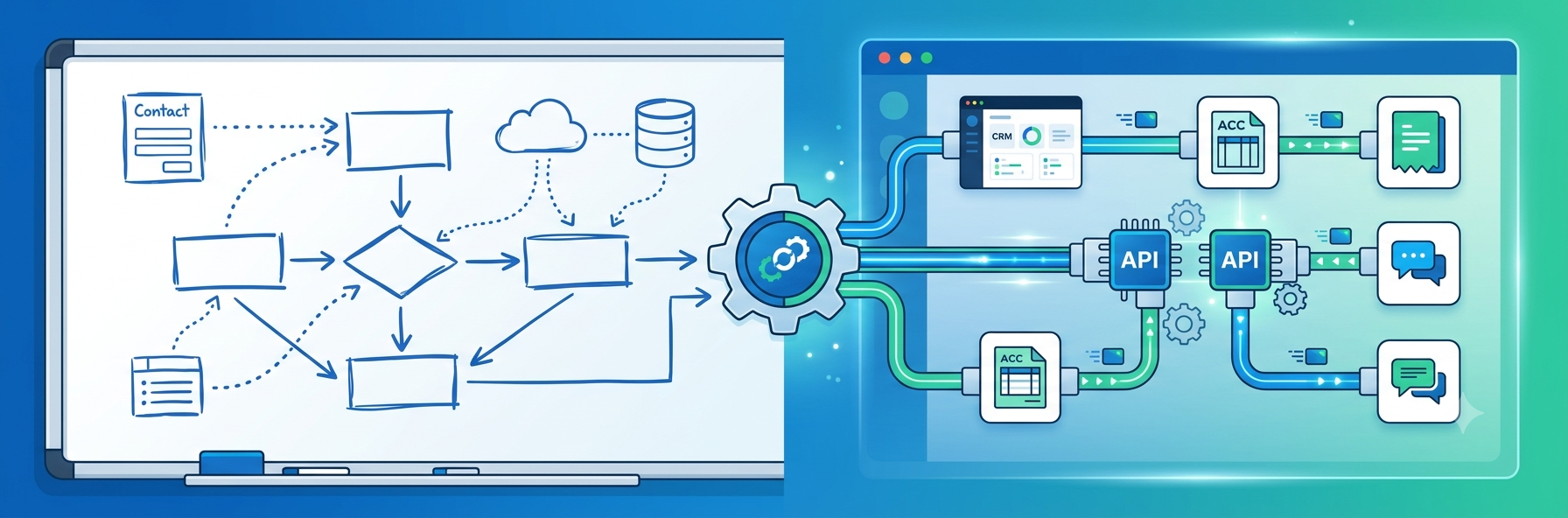
A future-ready hosting platform embraces this shift by offering robust API access, compatibility with CI/CD workflows, and support for modern development tools like Git-based deployments. It should integrate smoothly with the automation and monitoring systems your team already uses, rather than forcing you into a closed ecosystem that limits how you work.
The Cost of Standing Still
It is easy to postpone a hosting evaluation when everything seems to be running fine. But the cost of standing still compounds quietly. Slower sites lose search rankings. Outdated security leaves you exposed. Rigid infrastructure limits your ability to take on ambitious projects or onboard larger clients. By the time these issues become visible, the migration you were avoiding has become urgent rather than strategic.
Future-Proofing Is a Continuous Practice
No hosting platform stays future-ready forever without ongoing investment and evolution. The goal is not to find a permanent solution but to partner with a provider that demonstrates a consistent commitment to staying ahead. Evaluate your hosting not just on what it offers today, but on its track record of innovation, its roadmap for new features, and its willingness to adapt as the WordPress ecosystem changes. The agencies that thrive in the years ahead will be the ones whose infrastructure was ready before the change arrived.
Published: April 9, 2026