During cyber incidents, leaders must protect operations, guide employees, communicate with partners, and limit further harm. Delayed decisions can increase downtime, confuse responders, and weaken public confidence. Faster decisions require preparation that connects people, procedures, technology, and authority. Effective programs establish clear triggers, defined responsibilities, trusted information sources, and practiced actions. These elements help organizations provide response teams with structure and a practical route to recovery.
Why Decision-Making Slows Down
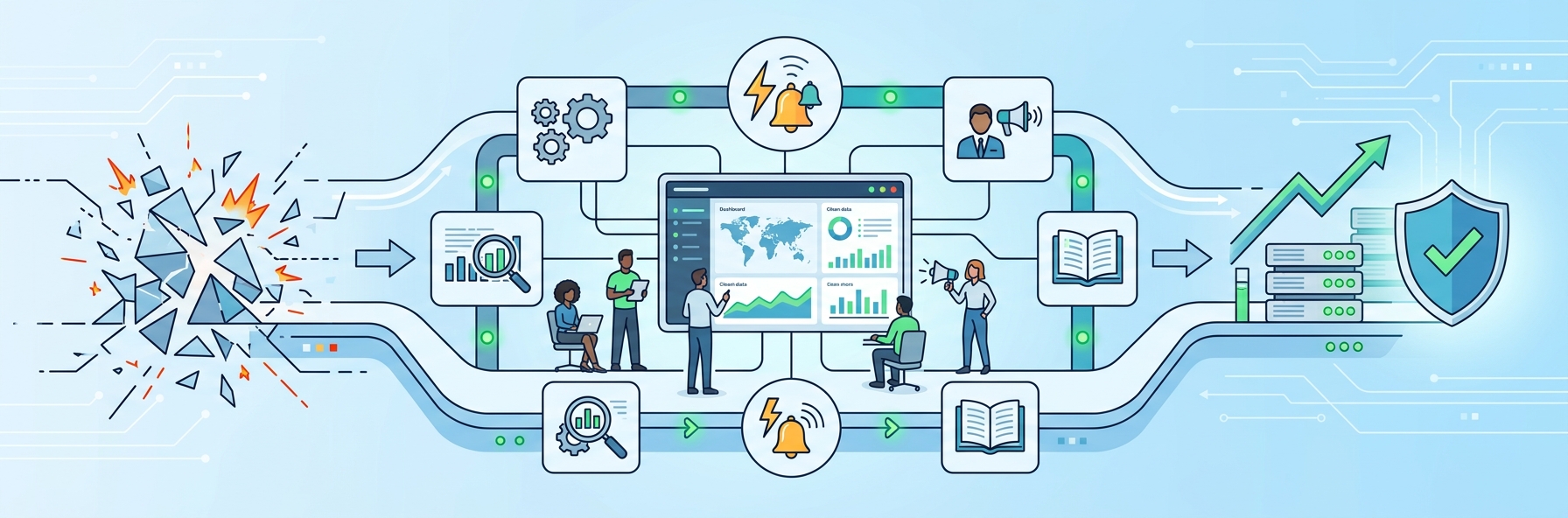
During a breach, fragmented information can leave executives, technical specialists, legal advisers, and communication teams working from different assumptions. A clear approach to cyber crisis management brings these groups into one operating picture. Shared status details, assigned tasks, verified contacts, and documented approvals reduce confusion. Response leaders can then compare evidence, assess business impact, and select actions without waiting for multiple disconnected updates.
Set Decision Triggers
Response plans should define measurable conditions for escalation. Examples include privileged account compromise, extended service interruption, suspected data theft, or threats to public safety. Each trigger needs an owner, a notification path, and a required decision window. Preapproved thresholds prevent debate during critical minutes. They also help senior leaders recognize when an incident requires legal review, customer communication, external specialists, or emergency business continuity measures.
Assign Clear Authority
Teams move faster when authority is clear. A crisis charter should name the incident lead, technical coordinator, business representative, communications owner, and executive sponsor. Each role needs decision limits, backup coverage, and escalation rights. Responsibility matrices can show who recommends, approves, performs, and records each action. This structure reduces duplicated effort and ensures that a stakeholder’s unavailability does not delay critical decisions.
Build One Information Picture
A central incident record should capture current facts, open questions, decisions, owners, and deadlines. Every entry needs a timestamp and source. Separate labels can distinguish confirmed evidence from working assumptions. Dashboards should show affected services, operational consequences, restoration progress, and outstanding risks. When participants view the same record, meetings become shorter. Leaders spend less time reconciling reports and more time choosing appropriate next actions.
Prepare Practical Playbooks
Playbooks should guide action without forcing teams through rigid scripts. Each document can outline objectives, prerequisites, decision points, communication templates, and recovery checks. Scenarios might cover identity compromise, ransomware, cloud disruption, insider misuse, or supplier failure. Short instructions work best during stress. Owners should review every playbook after exercises, technology changes, staffing updates, or incidents, ensuring each step reflects present conditions.
Protect Communication Channels
Attackers may disrupt email, collaboration tools, phone systems, or identity services. Response groups therefore need alternate channels with tested access rules. Contact directories should include internal leaders, suppliers, legal counsel, insurers, regulators, and specialist responders. Notification trees must identify who sends alerts and who confirms receipt. Secure messaging, mobile notices, and conference procedures support coordination when ordinary workplace tools become unreliable or unavailable.
Practice Under Pressure
Tabletop exercises expose gaps that documents often hide. A useful session introduces changing facts, conflicting priorities, incomplete evidence, and time limits. Participants should practice approving containment, informing stakeholders, preserving records, and restoring services. Facilitators can measure decision speed, communication accuracy, role clarity, and unresolved actions. Afterward, each weakness needs an owner and deadline. Repeated practice builds confidence without creating false certainty.
Test Recovery Choices
Exercises should include recovery decisions as well. Teams can evaluate restoration order, backup access, identity validation, supplier coordination, and customer service demands. Technical success may still fail operationally if departments cannot resume essential work. Recovery objectives should therefore connect system priorities with business services, employee needs, contractual duties, and safety requirements.
Record Every Decision
A reliable action log supports coordination during the event and review afterward. Records should show the decision, supporting evidence, approving person, assigned task, completion status, and remaining concern. This history helps teams avoid repeated discussions and explains why choices changed. It also supports legal review, insurance claims, regulatory reporting, and lessons learned. Accurate notes serve as evidence for measurable improvement.
Measure Response Performance
Useful metrics reveal whether preparation supports timely action. Organizations can track detection-to-escalation time, approval delays, notification reach, task completion, restoration progress, and playbook accuracy. A single average may hide serious weaknesses, so results should be compared across scenarios and business units. Leaders can then fund specific improvements, such as stronger backups, clearer authority, updated contacts, or better staff training.
Keep Plans Current
Incident preparation loses value when documents, contacts, permissions, or system details become outdated. Owners should schedule reviews after organizational changes and test access during normal operations. External providers need the same attention, particularly when contracts affect notification, recovery, or evidence handling. A program should link each update to a responsible person, review date, and exercise result. Regular maintenance keeps decisions grounded in current facts.
Conclusion
Clear triggers, visible authority, shared records, tested communication, practical playbooks, and recovery exercises give teams dependable guidance. Measurement shows which controls need attention, while disciplined reviews keep information accurate. Organizations that treat preparation as an operating practice can reduce hesitation, coordinate specialists, and protect essential services. Better decisions require trusted processes that help leaders act responsibly with the facts available.
Published: August 27, 2026