Dashboards, reports, and detailed logs of how time is spent are often linked to productivity. But in reality, the systems that help people get the most done are often the ones that aren’t very visible. The best workflows don’t break up, distract, or need constant input. They help with work in the background, quietly. This is where the idea of “invisible productivity” comes in, and it’s also why automatic time tracking is becoming a must-have for modern work.
For a long time, people had to start timers, switch tasks, and fill out timesheets at the end of the day to keep track of time. These methods are meant to make people more responsible, but they often do the opposite. They break your focus, make working more complicated, and depend heavily on memory and discipline. In dynamic digital environments where people are always switching between tasks, tools, and conversations, manual tracking becomes both wrong and annoying.
The problem with manual tracking
Manual time tracking assumes that people will consistently remember to log their work. In reality, they don’t. Tasks overlap, priorities change, and attention moves quickly. By the time someone sits down to record their hours, crucial details are already lost or approximated.
More importantly, keeping track of things manually breaks up the flow. Deep work – the kind of focused, high-value work that really moves things forward – requires uninterrupted concentration. When someone stops or starts a timer, they break that rhythm. These little interruptions add up over time, causing a dip in both productivity and work quality.
There’s also a psychological cost. Constantly tracking time can create pressure, making work feel monitored rather than supported. This can lead to stress, reduced autonomy, and even resistance to tracking systems altogether.
A shift toward invisible productivity
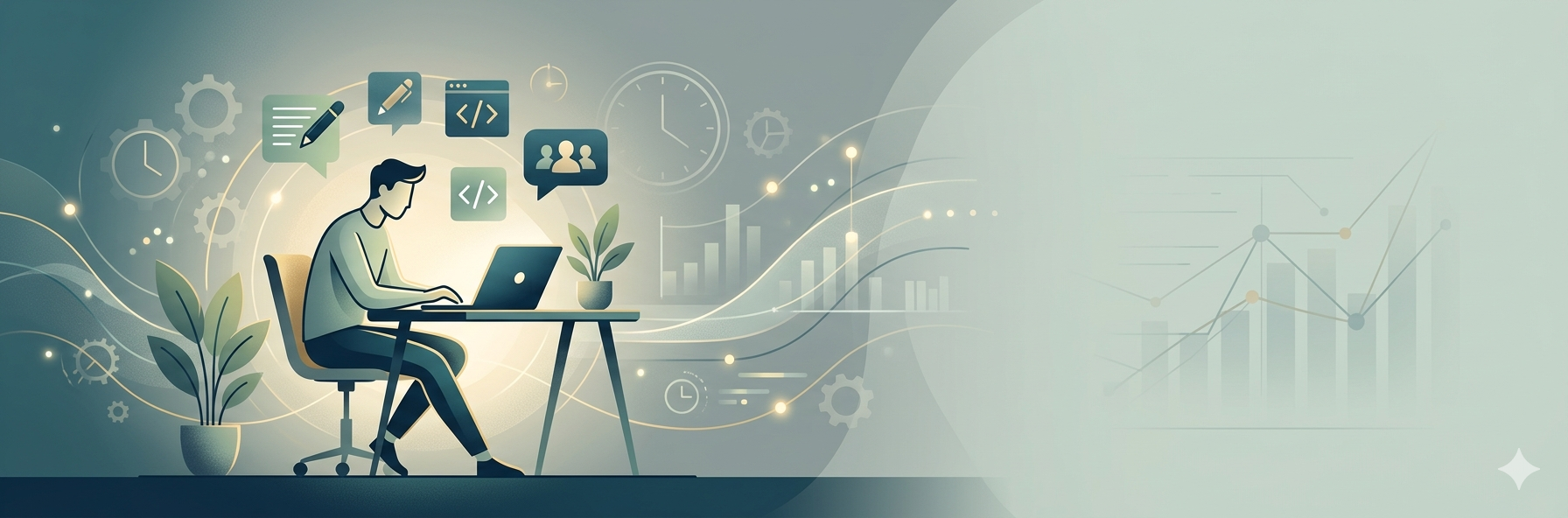
Automatic time tracking provides a different approach. It doesn’t require users to actively log their time; instead, it passively records activity as it happens. It runs in the background and doesn’t get in the way of work or demand attention.
This change transforms tracking hours into a natural part of working instead of a separate task. Employees can keep their minds on their work while data is collected quietly and consistently.
The end result is a system that is more natural and less intrusive, one that helps productivity instead of getting in the way of it.
Capturing real work patterns
One of the best things about automatic time tracking is that it is accurate. It shows how work really happens, not how it is remembered later, because it records activity in real time.
This includes:
• how time is split up between tasks and tools
• how often work is broken up or stopped
• when focus is at its best or worst
• how workflows change over the course of the day
These insights give us a much more accurate picture of productivity than data that is entered manually. Teams can see objective patterns that show what’s really going on below the surface instead of relying on guesses.
Enabling insight without disruption
The real strength of automatic time tracking is that it can give you insight without getting in the way of your work. Teams don’t have to change how they work to gather data; they just keep doing what they do.
Without having to check in all the time, managers can see how work is divided up, where there are bottlenecks, and where things aren’t working well. Employees learn more about their own habits, which helps them find distractions, make better use of their time, and stay focused.
Supporting modern, flexible work
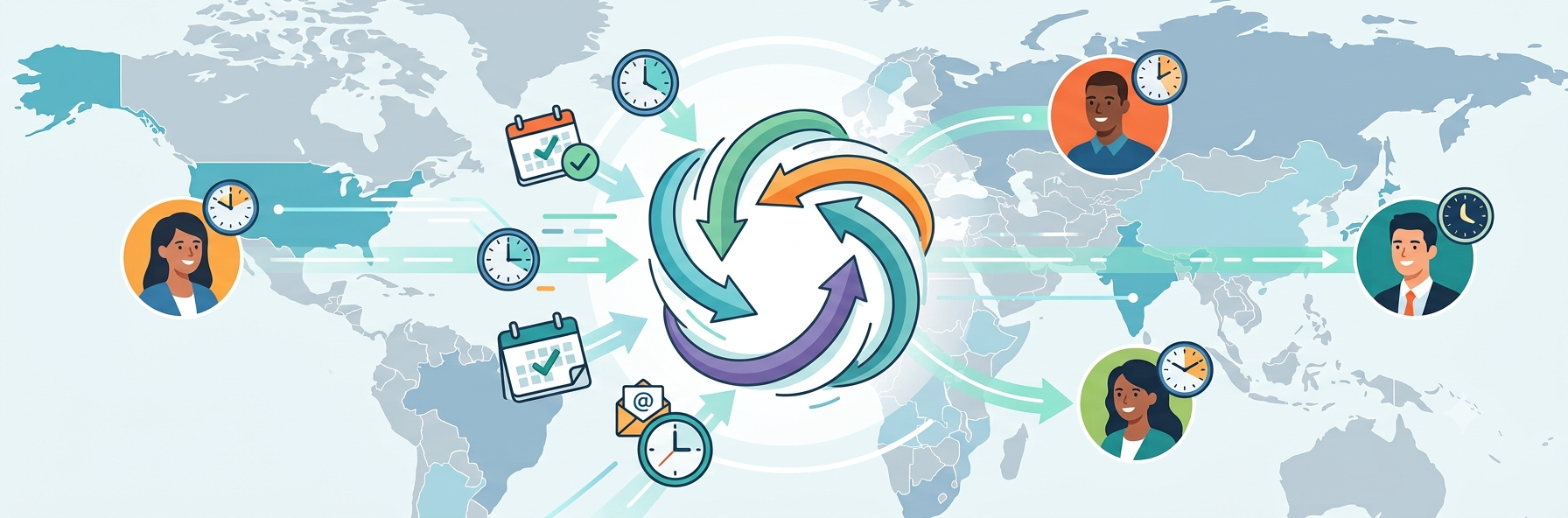
As work becomes more spread out and changes quickly, old ways of tracking it don’t work as well as they used to. People are not working in set blocks of time or on one task at a time anymore. They work together on different tools, change their priorities during the day, and work in different time zones.
Automatic time tracking takes this into account. It doesn’t depend on strict inputs or set schedules. Instead, it shows how modern work is always changing, giving us information that reflects how people really work.
This is especially useful for remote and hybrid teams, where trust is important and visibility is low. Instead of only keeping track of who’s present, it helps teams understand how to work together and what each person’s role is.A more human approach to productivity
Invisible productivity is really about respecting other people’s time, attention, and energy. It knows that productivity isn’t only about how much work you get done, but also about how it feels and how long it lasts.
Automatic time tracking helps with this by getting rid of extra friction. It gives people the freedom to focus deeply, work together, and think about their work with accurate data, all without having to input data all the time. This helps make productivity something that happens naturally instead of something that has to be forced.
Published: March 28, 2026