TL;DR
- Digital systems reduce no-show rates from 30% to under 5% via automated SMS reminders.
- Businesses capture 40% more bookings by offering 24/7 availability outside of standard hours.
- Implementation of an online booking system Booksy Biz or similar tools saves staff up to 120 minutes daily.
- Data-driven personalization and automated re-engagement significantly boost long-term client retention.
In this guide, you will find a direct comparison between digital scheduling and traditional phone management. Modern service businesses in diverse sectors face significant revenue leakage from manual errors. Data confirms that automated systems reduce no-show rates to under 5% through instant SMS reminders. You can evaluate how 24/7 accessibility increases client retention and operational efficiency. This analysis focuses on factual performance metrics to help you optimize your booking workflow.
What is an Online Booking System vs. Phone Booking?
Traditional phone booking requires a synchronous interaction. A staff member and a client must speak at the same time to confirm a slot. This method relies on manual data entry into a paper ledger or a static digital calendar. It limits your business availability to specific operating hours.
An online booking system Booksy or similar digital platforms function as an asynchronous portal. These tools provide a real-time interface where clients view available time slots independently. The software handles the administrative burden by automating the confirmation and data entry processes.
Core Differences in Operation
Phone-based systems demand constant human intervention. Every appointment requires several minutes of conversation to verify services and contact details. Manual systems often lack a centralized database, which leads to fragmented client information.
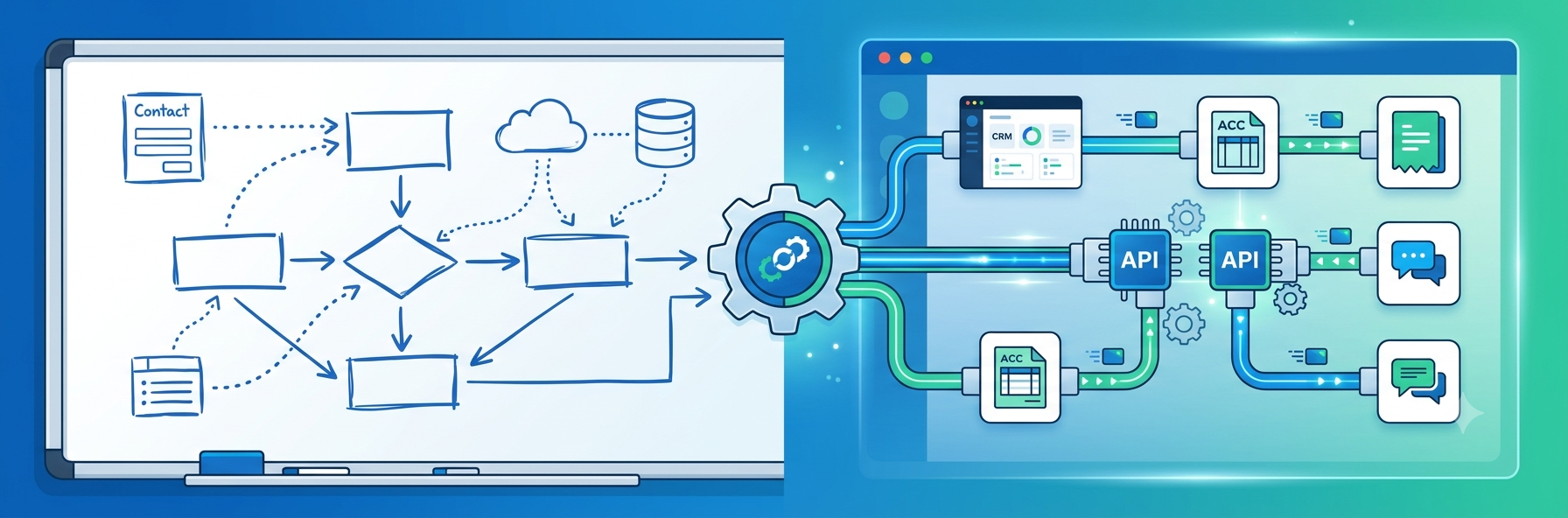
Digital scheduling software integrates directly with your business workflow. It syncs with employee schedules and resource availability automatically. This integration prevents double-bookings and ensures that your calendar remains accurate without manual oversight.
Accessibility and Reach
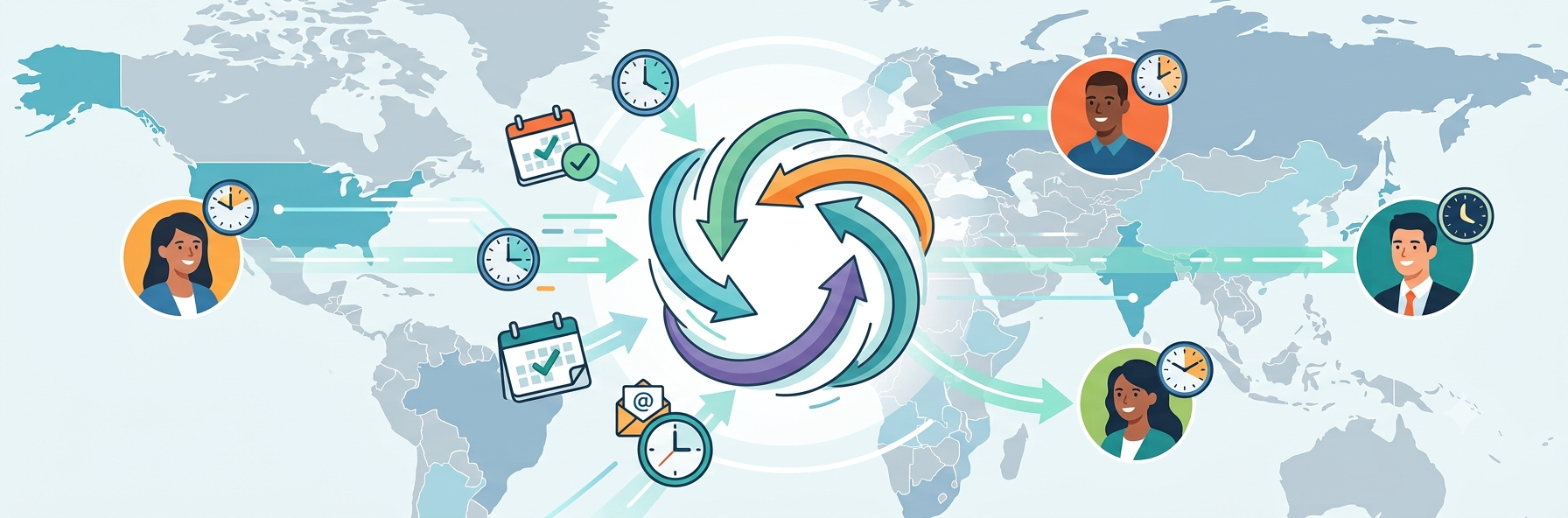
Standard phone booking restricts your revenue potential to 8-10 hours a day. Clients who wish to book late at night or early in the morning cannot reach you. This creates a barrier for modern consumers who prefer immediate results.
Online systems remain active 24/7. They allow you to capture bookings during the evening hours when demand often peaks. Because the interface is web-based, clients can secure appointments via social media, websites, or dedicated mobile apps without ever making a voice call.
How Do No-Show Rates Compare Between the Two Systems?
No-shows create a direct financial void in your daily schedule. When a client misses an appointment, you lose the anticipated revenue while still paying for staff labor and facility overhead. Data from service industries shows that phone-based booking often results in no-show rates between 15% and 30%. This occurs because verbal agreements lack a permanent, visible record for the client.
The Impact of Automated Reminders
Automated scheduling software addresses this issue through persistent notification chains. Systems send SMS and email reminders at strategic intervals before the appointment. Research indicates that these automated prompts reduce no-show rates to between 1.8% and 5%. Written confirmations serve as a psychological contract that increases the client’s sense of accountability.
Financial Commitments and Deposits
Digital platforms allow you to implement cancellation policies effectively. You can require a partial deposit or a full pre-payment during the booking process. Statistics reveal that a small financial stake reduces the likelihood of a no-show by over 70%. If a client must cancel, the software provides an easy link to do so, which allows the system to reopen the slot for another customer immediately.

What is the Impact on Business Revenue?
Capturing After-Hours Demand
Revenue growth depends on your business being accessible when clients are ready to buy. Most phone-based businesses lose potential sales after 6:00 PM. Data shows that approximately 40% of all service appointments are booked online during non-business hours. By providing a digital portal, you capture this demand without paying for additional reception staff.
Optimizing Calendar Fill Rates
Manual scheduling often results in inefficient gaps between appointments. Software uses “smart scheduling” logic to suggest time slots that cluster appointments together. This optimization improves your total fill rate by an average of 25%. A tighter schedule allows your team to serve more clients within the same shift, directly increasing your daily turnover.
Reducing Administrative Labor Costs
The cost of booking an appointment over the phone includes the hourly wage of the person answering the call. Each call takes an average of five to eight minutes. Automating this process saves between 80 and 120 minutes of staff time every day. You can reinvest this time into specialized services or marketing efforts that generate higher profit margins.
Can Online Systems Improve Client Retention?
Meeting Consumer Expectations for Convenience
Convenience is a primary driver of modern brand loyalty. Consumers prioritize businesses that offer the path of least resistance. The ability to book a service in under a minute via a smartphone app creates a positive initial experience. This ease of use encourages repeat bookings, as the administrative effort for the client remains minimal.
Leveraging Data for Personalization
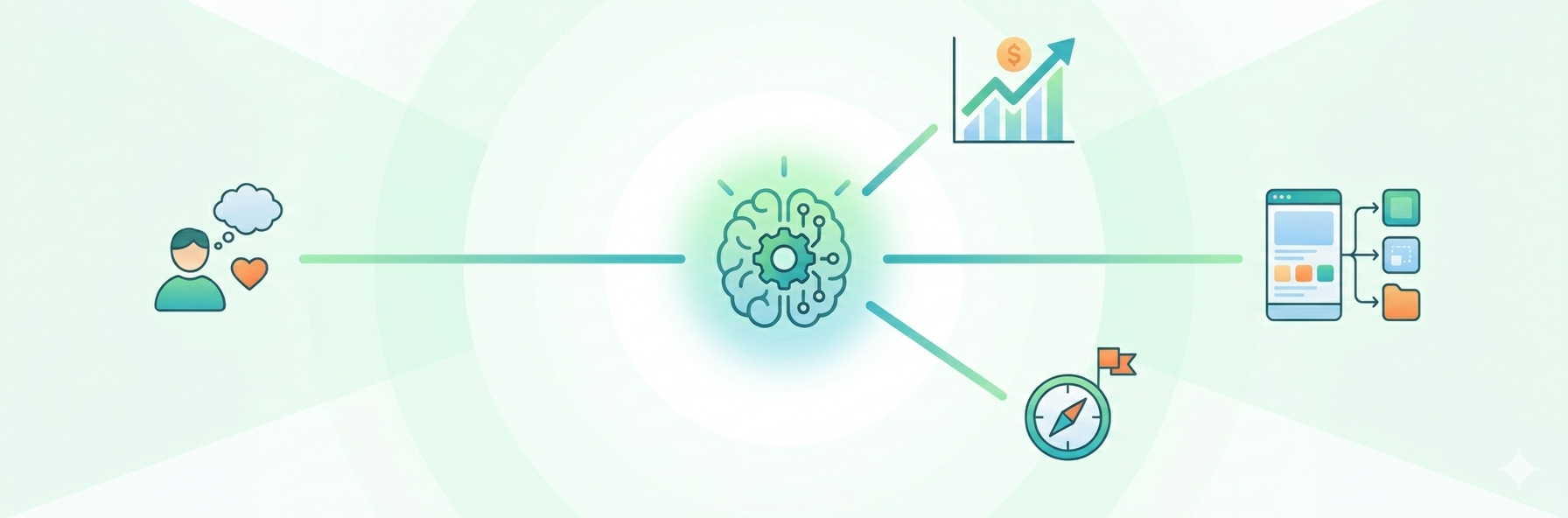
Digital systems act as a centralized database for client preferences. Every booking records specific details such as preferred providers, previous colors, or specific allergies. Accessing this history allows you to provide a tailored experience that makes the client feel valued. Personalization is a proven factor in increasing long-term retention rates.
Automated Re-engagement Campaigns
Retention requires proactive communication with infrequent clients. Most online platforms include tools that identify customers who have not visited in a specific timeframe. The system can automatically send a notification or a personalized discount code. These automated triggers recover approximately 15% of at-risk clients who would otherwise be lost.
Which Method Offers Better Data Accuracy and Planning?
Eliminating Manual Entry Errors
Human error during a phone call can lead to scheduling mistakes. Online booking places the responsibility of data entry on the client. This shift ensures that names, emails, and phone numbers are accurate, which improves the reliability of your entire communication chain.
Real-Time Resource Management
Complex services often require specific equipment or rooms. Online software tracks every resource in real-time. The system only shows availability if the staff member and the necessary tools are both free. This level of precision prevents professional embarrassment and maintains a smooth operational flow.
Is the Personal Touch of a Phone Call Overrated?
Proponents of phone booking often cite the “personal touch” as a competitive advantage. While direct conversation can build rapport, it can also cause frustration if a client is placed on hold. Data suggests that younger demographics view a mandatory phone call as an unnecessary obstacle.
You can maintain a personal connection without relying on phone calls for basic logistics. By automating the scheduling process, you free your staff to engage more deeply with clients during their actual visit. This transition shifts the focus from administrative tasks to high-quality human interaction.
Conclusion
The evidence confirms that online scheduling software outperforms phone booking across every critical business metric. You can expect a significant drop in no-show rates, often reaching levels below 5%. The revenue gains from 24/7 availability and improved calendar density provide a clear return on investment. Adopting these digital tools ensures your business remains efficient, profitable, and focused on providing excellent service.
FAQ
How does online scheduling reduce appointment no-shows?
Automated software sends instant SMS and email reminders to clients at scheduled intervals. These digital notifications increase accountability and result in no-show rates as low as 1.8%.
What percentage of revenue increase can a business expect from online booking?
Service businesses typically report a 30% increase in total revenue after adopting digital scheduling. This growth stems from 24/7 availability and optimized calendar fill rates.
How much staff time does automated scheduling save daily?
Automation reclaims between 80 and 120 minutes of administrative labor per day. Employees can redirect this time toward direct client care and higher-value tasks.
Does online booking software help with customer retention?
Digital portals enhance retention by offering 24/7 convenience and personalized service based on stored client history. Automated re-engagement tools also recover up to 15% of inactive customers.
Is online scheduling more accurate than manual phone booking?
Clients enter their own data into digital systems, which eliminates transcription errors from phone conversations. Real-time synchronization also prevents double-bookings of staff and physical resources.
Published: May 18, 2026